Termite Control in Allentown, PA
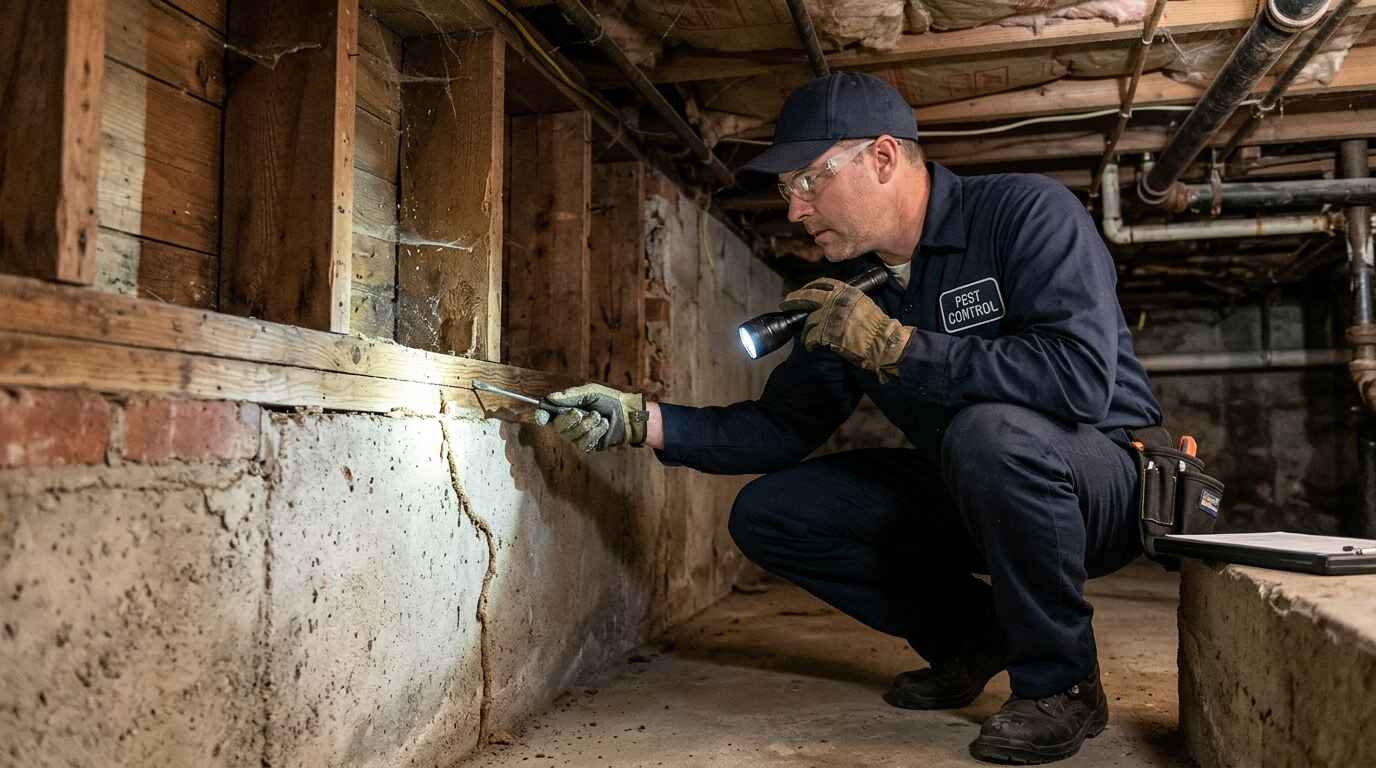
In West Park’s older masonry homes, a termite job often starts where damp soil meets a basement wall. One phone conversation sorts the inspection, treatment type, access, and visit details.
Plan
The right visit for the job
Older Allentown rowhomes and detached houses commonly need an inspection first, while confirmed activity near foundations may fit a targeted treatment.
Quote
A straight quote
The exact quote is given on the call, based on structure size, activity, access, materials, distance, and time on site.
Time
A visit time
The visit time is set on the call around access to the home, basement, crawl space, and treatment areas.
Allentown rowhomes near Old Allentown, West Park houses, and properties around the Lehigh River can hide termite conditions behind masonry, finished walls, or crowded utility areas. Work in the former industrial sections may involve tighter access, older foundations, and drainage patterns that need checking before treatment is selected.
Services
Termite Control Services in Allentown
Allentown’s dense housing, older masonry foundations, and connected rowhome construction can let moisture and termite activity travel through tight, difficult-to-see areas. West Park, Old Allentown, and properties near former industrial corridors may need careful inspection around basements, slabs, utility rooms, porches, and foundation edges. The treatment is matched to the evidence found, not simply to the age of the building.
Residential termite control
Residential termite control in Allentown addresses activity around rowhomes, detached houses, basements, foundation walls, and accessible soil edges.
Termite inspection
A termite inspection checks accessible Allentown basements, crawl spaces, masonry contact points, wood members, and conditions that support activity.
Wood-destroying insect report
A wood-destroying insect report documents accessible findings for Allentown property transactions, including damage evidence and conditions needing attention.
Preventive termite treatment
Preventive termite treatment helps address likely entry routes around Allentown foundations, porches, additions, drainage areas, and exposed structural wood.
Subterranean termite treatment
Subterranean termite treatment focuses on soil-to-structure routes common around Allentown masonry foundations, basement walls, slabs, and damp perimeter areas.
Commercial termite control
Commercial termite control covers Allentown offices, warehouses, storefronts, and industrial buildings where access, occupants, storage, and foundation layout affect treatment.
Termite damage assessment
A termite damage assessment examines accessible framing, trim, sill areas, and masonry interfaces in Allentown buildings before repair decisions are made.
Sizes
Termite Control Options Available in Allentown
Many Allentown jobs begin with an inspection because older masonry, finished basements, connected rowhomes, and drainage issues can conceal the route. A targeted treatment fits identified activity, while broader evidence around a structure may require whole-home treatment.
| Size | Dimensions | Good for |
|---|---|---|
| Termite Inspection | A technician examines accessible areas for termites, conducive conditions, and evidence of damage. | This fits an Allentown home sale, an unexplained basement condition, or an older rowhome where accessible foundation edges, wood, and utility areas need examination before treatment. |
| Targeted Treatment | Treatment focuses on identified activity and accessible entry or nesting areas. | This suits confirmed activity at an Allentown foundation wall, porch, sill area, or accessible entry route when the evidence is concentrated and the rest of the structure can be reviewed. |
| Whole-Home Treatment | A coordinated treatment addresses active termite activity around the structure and likely entry routes. | This fits a larger Allentown structure with activity at several sides, connected construction, or multiple likely entry routes requiring a coordinated treatment around the building. |
Which option fits common Allentown projects
| Project | Size | Why |
|---|---|---|
| Rowhome basement | inspection | Connected walls and older masonry can conceal entry routes, so accessible basement edges and adjoining structural areas should be examined first. |
| Foundation activity | targeted treatment | Visible evidence concentrated near one accessible foundation section may fit treatment focused on that activity and its nearby entry route. |
| Home sale report | inspection | A transaction inspection documents accessible termite evidence and conditions without assuming treatment is needed before findings are reviewed. |
| Warehouse perimeter | whole-home treatment | Large commercial footprints and several foundation sides can require coordinated attention where activity or likely routes occur in more than one area. |
| Damp crawl space | targeted treatment | Limited crawl space access and moisture near the structure can make a focused treatment appropriate after accessible activity is identified. |
Allentown termite treatment scheduling
Click Here to Call (888) 510-9023Cost
What Affects Termite Control Cost in Allentown
The exact quote is given on the call after the job is described. Cost depends on the structure and activity, treatment tier, parts or materials, time on site, access around older Allentown foundations, distance, and after-hours work.
To avoid surprise charges, describe the building, known evidence, basement or crawl space access, prior treatment, parking limits, and preferred visit conditions on the call. The exact quote is given before the visit is set.
Structure and activity
The building size, construction, connected walls, visible evidence, and extent of termite activity determine how much inspection and treatment work is needed.
Access and distance
Crowded Allentown lots, narrow side yards, finished basements, crawl spaces, parking limits, and travel distance can change the time and logistics.
Parts and materials
Treatment materials, access equipment, repair-related materials, and the type of barrier or application required depend on the structure and findings.
Time on site
Inspection depth, preparation, occupied spaces, commercial access rules, after-hours work, and the selected treatment affect time on site and the quote.
What goes in
Types of Work We Handle
Active Termite Infestations
This covers confirmed or suspected live termite activity, including evidence around Allentown rowhome basements, masonry foundations, porches, slabs, and structural wood.
Preventive Termite Protection
This covers treatment planning for likely entry routes and conducive conditions around homes, additions, commercial buildings, and damp foundation areas in Allentown.
Wood Damage Assessment
This covers accessible evaluation of damaged wood, trim, sill areas, and framing, including the type of concern often found in older Allentown housing.
Not accepted
The service does not cover unrelated household pests, inaccessible concealed damage, structural rebuilding, discarded chemicals, or items that cannot be safely reached or treated.
How to protect your home in Allentown
Clear foundation edges
Move stored items, leaves, and loose materials away from accessible foundation walls before the inspection.
Expose utility areas
Keep basement, crawl space, slab edges, and utility room access open for the technician.
Secure pets indoors
Keep pets and children away from the work area during inspection and treatment.
Gather prior records
Have previous treatment details, inspection reports, repair records, and known moisture problems ready.
Describe visible evidence
Note mud tubes, discarded wings, damaged wood, moisture, and the rooms where signs appeared.
Projects
Termite Control for Different Projects
Termite Inspection Control
This work examines accessible areas in Allentown homes and businesses for activity, conducive moisture, entry routes, and evidence of damage.
Subterranean Termite Control
Treatment focuses on soil-connected routes around Allentown masonry foundations, basements, slabs, porches, and damp perimeter areas.
Drywood Termite Control
Drywood termite concerns require attention to accessible wood and isolated evidence, including finished spaces in older Allentown properties.
Preventive Termite Control
Preventive work addresses likely routes and conditions around Allentown homes, additions, garages, commercial buildings, and exposed foundation edges.
Commercial Termite Control
Commercial treatment serves Allentown storefronts, warehouses, offices, and industrial properties where occupants, inventory, access, and building layout matter.
Termite Damage Control
Damage control begins with identifying accessible affected wood in Allentown basements, porches, sill areas, trim, and foundation-adjacent construction.
Termite Barrier Control
Barrier planning addresses likely entry points around Allentown structures, including foundation joints, slabs, utility penetrations, and soil contact.
How it works
How Termite Control Works in Allentown
Request An Inspection
Describe the Allentown building, visible evidence, foundation type, access limits, prior treatment, and any timing constraints on the call.
Identify Termite Activity
The technician examines accessible wood, masonry interfaces, basements, crawl spaces, slabs, utility areas, and conditions that support activity.
Review The Treatment Plan
Findings determine whether inspection, targeted treatment, or whole-home treatment fits the structure and the accessible entry routes.
Protect The Structure
Treatment addresses identified activity and likely routes while the property owner handles access, moisture conditions, and any separate repairs.
Weather in Allentown
Humid Allentown summers can keep soil and foundation areas damp, while winter freezes change access and may conceal exterior evidence. Urban drainage around older construction can keep moisture near masonry. Weather and ground conditions are reviewed when deciding how the visit and treatment areas should be handled.
Treatment area access
Work may occur in basements, crawl spaces, slabs, utility rooms, foundation edges, porches, and yards. Finished walls, stored belongings, narrow rowhome side paths, locked rooms, parked vehicles, and connected construction can limit access around Allentown properties.
Permits
Termite Control Permits and Placement Rules in Allentown
Access rules
A termite treatment inside or on private property may not require a local permit, but construction, drilling, street use, or related repair work can change that. The City of Allentown is the place to ask about street placement or local approval. The call covers what needs checking and who arranges it when applicable.
Landlord and HOA requirements
HOA rules, covenants, and landlord requirements in Lehigh County may control exterior applications, shared walls, access notices, or treatment records. Have those rules available so the treatment plan can account for property management requirements.
What the work area needs
Keep the problem area, basement, crawl space, utility room, shutoffs, and foundation edges accessible. Provide parking for the work vehicle where possible, keep people and pets clear, and mention snow, frozen ground, wet soil, or drainage concerns before the visit.
Timing
Seasons, Weather and the Best Time to Call in Allentown
Allentown termite concerns can appear year round, but humid summer conditions and spring moisture often make activity and conducive conditions easier to notice. Winter freezes can limit exterior examination and change access around foundations. Older masonry homes, rowhomes, and commercial properties still need attention when indoor evidence appears during colder months.
Spring moisture and activity
Spring thaw and wet ground can expose drainage problems, mud tubes, and foundation contact issues around Allentown homes. Clear stored items and outdoor debris so the technician can inspect accessible perimeter areas.
Winter access conditions
Freezing ground, snow, and sealed-up basements can limit exterior checks in Allentown. Indoor signs should still be described, while the visit plan accounts for frozen soil, narrow access, and occupied rooms.
Allentown termite inspection details
Click Here to Call (888) 510-9023Service area
Termite Control Areas We Serve
Coverage includes Allentown neighborhoods and settings such as Old Allentown, West Park, the area around Hamilton Street, the south side, east side, west side, and properties near the Lehigh River. Nearby Lehigh County locations can be discussed when the building, access, and travel details are provided.
Allentown is part of our Lehigh County coverage, and we also serve the neighboring communities below.
Why us
Why Call a Termite Control in Allentown?
Allentown’s older rowhomes and masonry foundations create hidden transitions at basement walls, porches, slabs, and connected structures. A useful inspection follows those physical routes instead of treating every property as an open detached house.
Urban drainage, humid summers, winter freezes, and dense construction affect where moisture remains and how exterior areas can be reached. Treatment planning accounts for narrow lots, finished basements, commercial access, and the actual evidence found.
FAQs
Termite Control FAQs
How much does termite control cost in Allentown?
The exact quote is given on the call. Cost depends on the structure size, termite activity, selected treatment tier, materials, time on site, access around Allentown foundations, distance, and after-hours work. Describe the building and visible evidence so the quote reflects the actual job.
Which termite treatment fits my Allentown home?
An inspection fits most uncertain situations, a targeted treatment fits identified activity in an accessible area, and a whole-home treatment fits activity or likely routes around much of the structure. Older rowhomes, basements, and connected masonry should be described before the tier is selected.
How soon can termite control come to Allentown?
The visit time is set on the call because access, treatment conditions, and the type of inspection need to be matched to the property. Ask about available timing and describe any sale, tenant, commercial, or seasonal constraint affecting the visit.
What does termite control cover?
The service covers inspection and treatment planning for termite activity, likely entry routes, conducive conditions, and accessible damage areas. Depending on findings, the job may involve a termite inspection, targeted treatment, or coordinated whole-home treatment around the structure.
What does termite control not cover?
It does not cover unrelated pests, concealed areas that cannot be safely reached, structural rebuilding, discarded chemicals, or separate repairs unless those services are arranged independently. Damage findings can identify where a qualified repair professional may be needed.
Does Allentown termite treatment need a permit or inspection?
Many treatments on private property do not require a local permit, but related construction, drilling, street use, or repair work can change that. The City of Allentown can address local approval questions, and the permit discussion belongs on the call before work is arranged.
How much access is needed for termite treatment?
Access is needed to the affected rooms and reachable areas such as basements, crawl spaces, utility rooms, slabs, foundation edges, porches, or yards. Move stored items, unlock needed areas, mention narrow rowhome paths, and keep pets and people clear.
What should I have ready when calling about termites?
Have the property address, building type, rooms with evidence, foundation or basement details, prior treatment records, moisture concerns, access limits, parking information, and any landlord or HOA requirements ready. Photos can help explain where signs were noticed.
Does Allentown weather affect termite treatment?
Yes. Humid summers and wet urban drainage areas can support conditions around foundations, while winter freezes can limit exterior inspection and soil access. Indoor evidence still matters during winter, and the visit plan accounts for snow, frozen ground, wet soil, and basement access.
Are older Allentown rowhomes harder to inspect for termites?
They can be because connected walls, older masonry foundations, finished basements, narrow side access, and shared construction may hide entry routes. The inspection focuses on accessible foundation interfaces, wood, utility areas, porches, slabs, and any rooms where evidence has appeared.