Termite Control in Mission, TX
Sharyland homes with irrigated yards often need termite attention around slabs, fences, and lush planting beds. One phone call gets the right Mission termite treatment sorted.
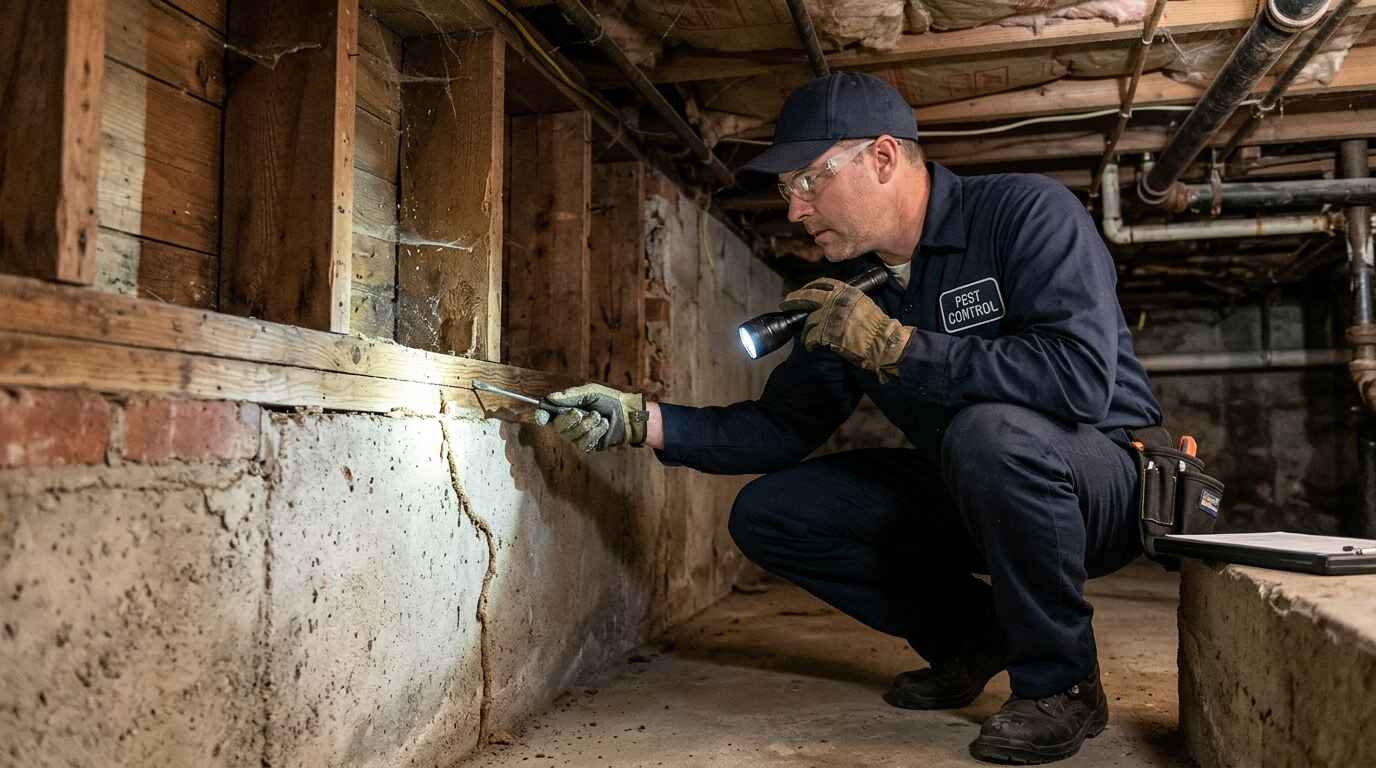
Plan
The right visit for the job
For Mission slab homes, additions, and older properties near Conway Avenue, the technician will match an inspection, targeted treatment, or whole-home treatment to the evidence found.
Quote
A straight quote
The quote is given on the call, based on termite activity, structure size, access, treatment materials, and time on site.
Time
A visit time
The visit time is set on the call around access to the home, yard, utility areas, and any requested inspection.
In Sharyland, technicians work around irrigated landscaping and slab edges. Near downtown Mission, older homes may need careful inspection of wall bases and utility penetrations. Properties along the Expressway corridor, in Palmview-adjacent areas, and across Hidalgo County receive treatment plans shaped by access, clay soil, and subtropical planting.
Services
Termite Control Services in Mission
Mission homes combine concrete slabs, shaded landscaping, irrigation lines, and warm, humid conditions that can keep soil moisture near the structure. Work in Sharyland and older central neighborhoods may involve different entry points than a commercial property along the Expressway. The technician checks accessible areas, signs of activity, conducive conditions, and damage before matching the termite treatment to the building.
Residential termite control
Mission residential treatment addresses activity around slabs, wall penetrations, patios, and irrigated planting beds without treating inaccessible areas blindly.
Termite inspection
A Mission inspection checks accessible wood, slab edges, utility entries, crawl spaces where present, and conditions that support termite activity.
Wood-destroying insect report
For Mission property transactions, the report documents accessible evidence and wood damage findings for the structure being inspected.
Preventive termite treatment
Preventive treatment helps Mission homeowners address soil contact, irrigation moisture, landscaping, and entry routes before activity becomes extensive.
Subterranean termite treatment
Subterranean termite treatment in Mission focuses on soil-connected routes around slabs, foundations, patios, and landscaped edges.
Commercial termite control
Mission commercial properties near the Expressway or industrial corridors receive plans based on building layout, access, activity, and occupied work areas.
Termite damage assessment
A Mission damage assessment separates visible wood damage from active termite evidence and identifies areas needing closer inspection or treatment.
Sizes
Termite Control Options Available in Mission
The most common Mission job is a targeted treatment after an inspection finds activity near a slab edge, patio, landscape bed, or utility entry. Whole-home treatment fits broader activity, while an inspection suits a concern without confirmed termites.
| Size | Dimensions | Good for |
|---|---|---|
| Termite Inspection | A technician examines accessible areas for termites, conducive conditions, and evidence of damage. | This fits a Mission buyer, homeowner, or landlord who sees evidence but needs the accessible areas examined before choosing treatment. The technician checks termites, conducive conditions, and damage. |
| Targeted Treatment | Treatment focuses on identified activity and accessible entry or nesting areas. | This suits identified activity at a Mission slab edge, porch, fence contact, or accessible entry route. Treatment focuses on the active area and likely nearby nesting or entry points. |
| Whole-Home Treatment | A coordinated treatment addresses active termite activity around the structure and likely entry routes. | This fits a Mission structure with activity in more than one area or several likely routes around the building. The plan coordinates treatment around the structure and accessible entry points. |
Which option fits common Mission projects
| Project | Size | Why |
|---|---|---|
| Slab edge evidence | targeted treatment | Irrigated beds and clay soil can keep moisture beside Mission slabs, making identified edge activity a focused treatment job. |
| New home concern | inspection | An inspection checks accessible construction joints, utility entries, and surrounding conditions before treatment is selected for a Mission home. |
| Older central home | whole-home treatment | Older Mission properties may have several accessible routes, additions, or wall penetrations that justify coordinated treatment after inspection. |
| Rental turnover | inspection | Landlords can document accessible termite evidence and wood damage before deciding whether a Mission rental needs focused work. |
| Commercial activity | whole-home treatment | A larger Mission workplace may need coordinated attention across connected areas, storage rooms, slab edges, and likely entry routes. |
Schedule Mission termite treatment
Click Here to Call (888) 510-9023Cost
What Affects Termite Control Cost in Mission
The exact quote is given on the call after the job is understood. Cost depends on the type and size of the structure, confirmed activity, treatment materials, access, time on site, distance from the Mission service area, and whether work is after hours.
To avoid surprise charges, describe the structure, signs of termites, access limits, irrigation, and prior treatment on the call. The exact quote is discussed before the visit is set.
Structure and activity
The building size, construction, number of active areas, visible damage, and whether activity is localized or widespread shape the Mission treatment scope.
Access from Mission
Distance, parking, gates, crawl spaces, dense landscaping, and limited access around a Mission slab can change preparation and time on site.
Parts and materials
Treatment materials and any needed parts depend on the entry routes, soil contact, structure layout, and the selected termite treatment.
Site conditions
Irrigation, wet clay soil, patios, fences, stored items, and occupied rooms can affect how the work is reached and carried out.
What goes in
Types of Work We Handle
Active Termite Infestations
This covers visible or suspected activity around Mission homes, rental properties, slabs, porches, fences, and landscaped soil where termites can reach the structure.
Preventive Termite Protection
Preventive work addresses conducive conditions and likely entry routes at Mission homes, including irrigated planting beds, soil contact, and utility penetrations.
Wood Damage Assessment
Assessment examines accessible damaged wood in a typical Mission garage, porch, attic area, or wall base and distinguishes evidence that needs treatment review.
Not accepted
The service does not cover inaccessible areas, unrelated structural repairs, general landscaping, hazardous materials, or items that cannot be safely reached or examined.
How to protect your home in Mission
Clear the slab edge
Move stored items, pots, and loose material away from exterior walls where practical before a Mission inspection.
Note recent activity
Record where you saw wings, mud tubes, damaged wood, or live insects and when the signs appeared.
Secure the pets
Keep pets away from the work area, planting beds, utility spaces, and any treated access points.
Gather prior reports
Have previous termite reports, treatment records, repair notes, and property access details ready for review.
Mark irrigation lines
Point out irrigation heads, buried lines, shutoffs, and damp areas so the technician can plan access carefully.
Projects
Termite Control for Different Projects
Termite Inspection Control
Mission inspection control checks accessible slab edges, utility penetrations, wood, garages, and landscaped areas for activity and conducive conditions.
Subterranean Termite Control
In Mission and Hidalgo County, subterranean control focuses on soil-connected routes near slabs, patios, planting beds, and foundation edges.
Drywood Termite Control
Drywood termite review in Mission examines accessible wood, attic areas, trim, and other locations where activity may be separate from soil contact.
Preventive Termite Control
Mission preventive control addresses moisture, irrigation, soil contact, and likely entry routes before a small concern spreads through the structure.
Commercial Termite Control
Commercial termite control serves Mission offices, shops, warehouses, and occupied buildings where treatment must account for work areas and access.
Termite Damage Control
Mission damage control documents accessible wood damage, checks for active evidence, and helps separate treatment needs from unrelated building repairs.
Termite Barrier Control
Barrier control around Mission slabs, patios, and landscaped edges focuses on likely entry routes while accounting for clay soil and irrigation.
How it works
How Termite Control Works in Mission
Request An Inspection
Describe the Mission property, signs noticed, construction type, access limits, irrigation, and any prior termite treatment.
Identify Termite Activity
The technician examines accessible areas for termites, conducive conditions, entry routes, and evidence of damage around the structure.
Review The Treatment Plan
The treatment plan explains whether an inspection, targeted treatment, or whole-home treatment fits the activity and accessible work areas.
Protect The Structure
Preparation and treatment address identified activity and likely routes while keeping people, pets, stored items, and sensitive areas clear.
Weather in Mission
Mission heat and humidity can increase termite activity around irrigated landscaping, while clay soil may hold moisture near slabs. Treatment timing also needs attention after heavy rain, during saturated ground, and around occasional freezes. The visit is set on the call with current site conditions in mind.
Treatment area access
Work may occur along slab edges, patios, wall bases, utility penetrations, crawl spaces where present, garages, rooms, and yards. Dense subtropical plants, irrigation lines, clay soil, locked gates, stored belongings, and narrow side access can limit where the technician can safely inspect or treat.
Permits
Termite Control Permits and Placement Rules in Mission
Access rules
Most termite treatments at a private Mission property do not involve a street permit, but unusual work affecting public space or a government-controlled area may require direction from the City of Mission. The call covers what agency should be asked and who arranges any required inspection or approval.
Landlord and HOA requirements
Mission properties in an HOA, planned community, or rental arrangement may have rules about exterior treatment, planting beds, access, and notices. Hidalgo County landlords and tenants should also check the lease before exterior or interior work is scheduled.
What the work area needs
Clear access to the suspected area, slab edge, utility spaces, shutoffs, and inspection points. Provide parking for the work vehicle, unlock gates, secure pets and people, and identify irrigation lines. Wet clay, intense heat, or recent rain may require a safer work-area plan.
Timing
Seasons, Weather and the Best Time to Call in Mission
Mission termite concerns can surface through the long hot season, especially where irrigation keeps soil and planting beds damp beside slabs. Humidity and subtropical landscaping support activity, while cooler periods and occasional freezes change surface evidence. Spring growth and renewed watering are useful times to inspect conditions around the structure.
Hot season termite activity
Heat, humidity, and frequent irrigation around Sharyland landscaping can keep likely routes active. Clear planting beds and identify wet spots so the technician can inspect slab edges and utility entries.
Freeze and rain conditions
Occasional freezes and heavy rain can change visible evidence and make clay soil difficult to access. The visit plan accounts for saturated ground, exposed routes, and safe footing around Mission properties.
Book a Mission termite inspection
Click Here to Call (888) 510-9023Service area
Termite Control Areas We Serve
Service covers Mission neighborhoods and settings including Sharyland, downtown Mission, the Conway Avenue corridor, areas near the Expressway, and residential streets toward Palmview. Work also reaches Mission commercial properties and Hidalgo County locations, with nearby service pages for Corpus Christi, Bastrop, Missouri City, Leander, and Tomball.
Mission is part of our Hidalgo County coverage, and we also serve the neighboring communities below.
Why us
Why Call a Termite Control in Mission?
Mission termite work has to account for irrigated subtropical landscaping, clay soil, and concrete slab construction. A technician looks beyond indoor sightings to the damp planting beds, patios, utility entries, and wall edges that can create routes into a Rio Grande Valley home.
Properties around Sharyland and central Mission do not all present the same access. Dense plants, gates, additions, garages, and older construction change what can be inspected and how a targeted or whole-home treatment is planned.
FAQs
Termite Control FAQs
How much does termite control cost in Mission?
Mission termite control cost depends on structure size, activity, access, materials, time on site, distance, and after-hours work. Irrigated landscaping, clay soil, dense planting beds, and slab access can change the job. The exact quote is given on the call after the property and concern are described.
Which termite treatment fits my Mission home?
An inspection fits an unconfirmed concern, targeted treatment fits identified activity in accessible areas, and whole-home treatment fits activity around several routes. Mission homes with slabs, additions, patios, or irrigated beds may need more than one area checked before the treatment type is selected.
How soon can someone come for termite control in Mission?
The visit time is set on the call because access, current conditions, and the type of termite concern all matter. Ask about available timing when you describe the Mission property, including whether the concern involves an occupied home, rental, or commercial space.
What does termite treatment cover in Mission?
Termite treatment addresses identified activity and accessible entry or nesting areas around the structure, with the scope based on the selected treatment. In Mission, that can include slab edges, patios, utility entries, wall bases, garages, crawl spaces where present, and landscaped soil near the building.
What does termite control not cover?
It does not cover inaccessible areas, unrelated structural repairs, general landscaping, hazardous materials, or areas that cannot be safely reached. A Mission treatment also does not replace repairs to damaged wood, leaking irrigation, drainage problems, or other building conditions unless separately arranged.
Does termite treatment in Mission need a permit or inspection?
Most private-property termite treatments do not require a street permit, but work affecting public space or government-controlled property may need direction from the City of Mission. The call covers which local authority should be asked and who handles any required inspection or approval.
Do I need to be home for a Mission termite inspection?
Access to the agreed inspection and work areas is required, but the exact attendance plan depends on the property and treatment. Arrange entry to rooms, garages, crawl spaces where present, gates, yards, utility areas, and shutoffs before the Mission visit.
What should I have ready when calling about Mission termites?
Have the property location, structure type, signs observed, affected areas, access limits, irrigation details, prior treatment records, lease or sale concerns, and preferred visit availability ready. Mention pets, locked gates, crawl spaces, and any recent rain or construction near the home.
Does Mission weather affect termite treatment?
Yes, Mission heat, humidity, irrigation, heavy rain, clay soil, and occasional freezes can affect activity evidence, footing, and access. The visit is planned around current conditions, especially where planting beds are saturated or dense landscaping hides slab edges and utility entries.
Are termites common around Mission landscaping?
Mission landscaping can create favorable conditions when irrigation keeps soil and planting beds damp beside a slab or foundation. Sharyland homes and other properties with dense subtropical plants should have accessible edges, patios, utility penetrations, and damp areas checked when termite signs appear.