Termite Control in Lillington, NC
Older farm homes along the Cape Fear River can hide termite activity where red clay stays damp beside foundations. One call gets the inspection or treatment plan sorted for the structure.
Plan
The right visit for the job
For older Lillington farm homes, crawl spaces, and newer exurban houses, the technician can recommend an inspection, targeted treatment, or whole-home treatment after checking access and activity.
Quote
A straight quote
The exact quote is given on the call, based on structure size, activity, access, materials, distance, and time on site.
Time
A visit time
The visit time is set on the call around access to the property, occupants, pets, and the work area.
Termite work in downtown Lillington, Riverwalk, and the growing areas near US 421 often differs from work on older farm properties along the Cape Fear River. Crawl spaces, slab foundations, red clay drainage, and additions all change where activity is checked and how a treatment is placed.
Services
Termite Control Services in Lillington
Lillington has older farm homes beside fast-growing subdivisions, so termite work may involve crawl spaces, slab edges, additions, detached sheds, or disturbed soil around newer construction. Humid summers and heavy rain keep foundation areas important to inspect, while red clay can hold moisture against masonry. The treatment plan follows the structure, accessible evidence, and likely routes into the building.
Residential termite control
Residential treatment for Lillington homes addresses active evidence, foundation edges, crawl spaces, and accessible entry points around older and newer construction.
Termite inspection
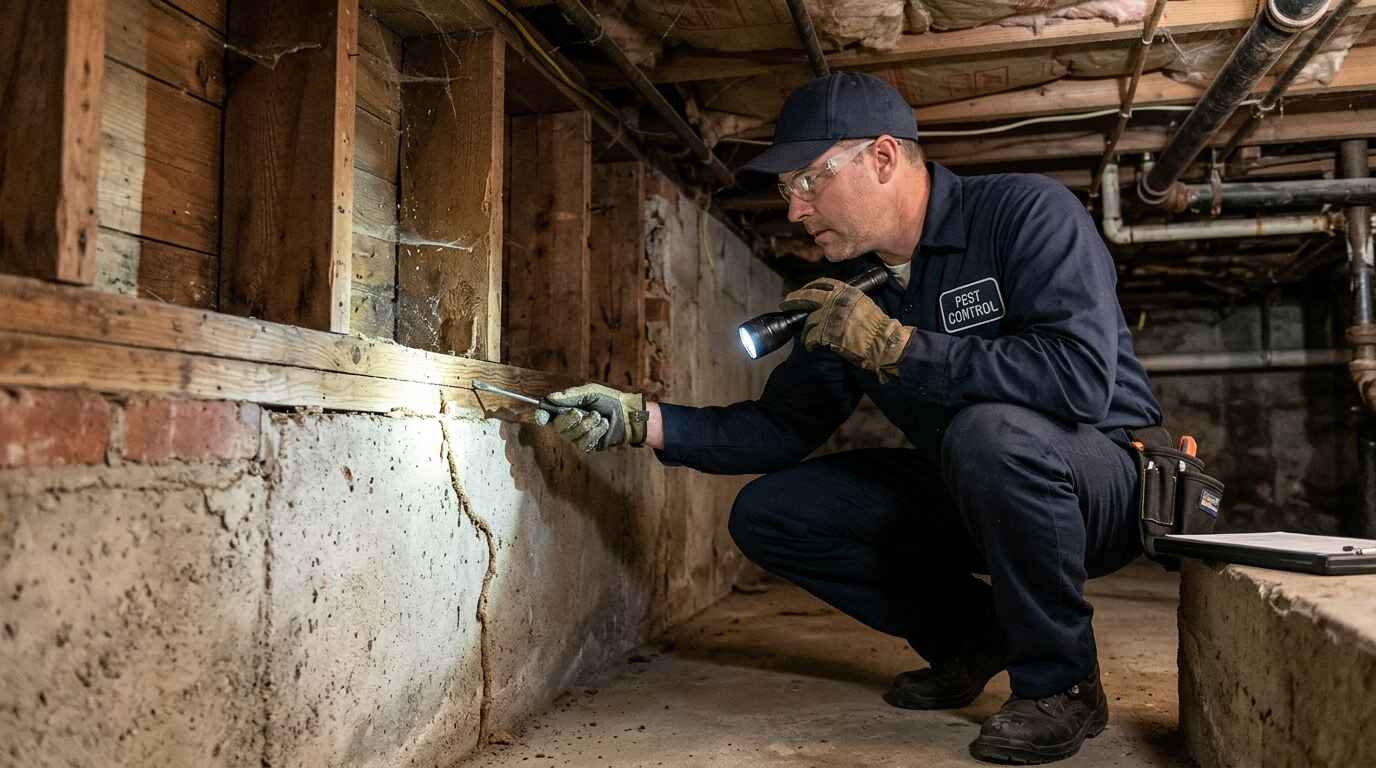
A Lillington inspection checks accessible areas for termites, conducive conditions, and damage, including crawl spaces, slabs, utility rooms, and perimeter soil.
Wood-destroying insect report
A wood-destroying insect report documents accessible findings for Lillington homes, especially older farm properties, additions, and houses changing ownership.
Preventive termite treatment
Preventive treatment helps address likely entry routes around Lillington foundations where rain, humidity, landscaping, and red clay keep soil conditions favorable.
Subterranean termite treatment
Subterranean treatment focuses on soil-to-structure routes, crawl spaces, and foundation perimeters common around Lillington homes near the Cape Fear River.
Commercial termite control
Commercial service covers Lillington offices, shops, and other buildings by checking accessible structural areas, utility penetrations, storage zones, and exterior edges.
Termite damage assessment
Damage assessment in Lillington separates visible wood damage from active evidence and identifies areas needing closer inspection around the structure.
Sizes
Termite Control Options Available in Lillington
The most common Lillington job starts with an inspection because older farm homes and new exurban construction can hide different access points. A targeted treatment fits identified activity, while whole-home treatment suits coordinated activity around several sides or likely routes.
| Size | Dimensions | Good for |
|---|---|---|
| Termite Inspection | A technician examines accessible areas for termites, conducive conditions, and evidence of damage. | An inspection suits a Lillington home with mud tubes, discarded wings, soft trim, or no confirmed activity yet. Accessible crawl spaces, slabs, perimeter areas, and damage are examined. |
| Targeted Treatment | Treatment focuses on identified activity and accessible entry or nesting areas. | A targeted treatment fits identified activity at a crawl-space pier, foundation edge, addition, or accessible nesting area on a Lillington property. |
| Whole-Home Treatment | A coordinated treatment addresses active termite activity around the structure and likely entry routes. | A whole-home treatment suits active or connected activity around an older Lillington farm home, a larger residence, or a structure with several accessible entry routes. |
Which option fits common Lillington projects
| Project | Size | Why |
|---|---|---|
| Older farm home | inspection | Older framing, additions, and crawl-space access can conceal activity, so an inspection establishes where evidence and conducive conditions are found. |
| New subdivision house | targeted treatment | A newer Lillington house with activity at one foundation side may need focused work after the entry route is identified. |
| Cape Fear property | whole-home treatment | Moisture near the river and multiple perimeter access points can make coordinated treatment more suitable than one isolated application. |
| Rental property turnover | inspection | An inspection checks accessible living areas, utility spaces, and foundation edges before a landlord addresses suspected activity. |
| Small commercial building | targeted treatment | A focused treatment can suit activity near a loading area, utility penetration, or accessible exterior wall after the affected zone is confirmed. |
Schedule Lillington termite treatment
Click Here to Call (888) 510-9023Cost
What Affects Termite Control Cost in Lillington
The exact quote is given on the call after discussing the property and suspected activity. Termite treatment prices depend on the type and size of the structure, evidence found, parts and materials, access, distance from the Lillington service area, and time on site.
To avoid surprise charges, describe the structure, suspected evidence, crawl-space or basement access, recent repairs, and property location on the call. The quote is reviewed before the termite treatment is scheduled.
Structure and activity
The building size, foundation type, active evidence, damage, and number of likely entry routes affect the work required at a Lillington property.
Access from Lillington
Distance, driveway conditions, narrow side yards, crawl-space openings, stored items, and limited parking can change preparation and time on site.
Materials and treatment
Parts and materials depend on the treatment plan, foundation conditions, accessible soil or wood areas, and whether targeted or coordinated work is appropriate.
Work area conditions
Moist red clay, drainage near the foundation, landscaping, additions, detached structures, and after-hours access can affect the labor and setup.
What goes in
Types of Work We Handle
Active Termite Infestations
This covers confirmed or suspected activity such as mud tubes, live termites, discarded wings, or damaged wood around a Lillington home, farm property, or commercial building.
Preventive Termite Protection
Preventive work addresses likely entry routes and conducive conditions around foundations, including a typical Lillington crawl-space home with damp perimeter soil.
Wood Damage Assessment
This covers accessible evaluation of damaged framing, trim, sills, and other wood so active evidence can be separated from older damage at the property.
Not accepted
Termite treatment does not cover inaccessible areas, unrelated structural repairs, general moisture correction, or pests and damage outside the agreed termite work.
How to protect your home in Lillington
Clear foundation edges
Move stored items, mulch, and loose materials away from accessible foundation areas when practical before the inspection.
Find crawl-space access
Locate crawl-space doors, attic entries, utility rooms, and other access points before the technician arrives.
Secure pets indoors
Keep pets and children away from the work area and identify any rooms or structures that must remain occupied.
Gather past records
Have prior termite reports, treatment details, repair invoices, and known moisture problems ready for discussion.
Mark visible evidence
Point out mud tubes, wings, soft wood, leaks, or recurring moisture so those areas receive direct attention.
Projects
Termite Control for Different Projects
Termite Inspection Control
Inspection control in Lillington checks accessible crawl spaces, slabs, foundation edges, and wood around older farm homes and newer exurban construction.
Subterranean Termite Control
Subterranean control addresses soil-to-structure routes around Lillington foundations, especially where red clay and heavy rain keep perimeter soil damp.
Drywood Termite Control
Drywood control focuses on accessible infested wood and evidence inside the structure, including trim, framing, additions, and stored wood.
Preventive Termite Control
Preventive control for Lillington properties reviews drainage, soil contact, landscaping, utility penetrations, and other conditions that support entry.
Commercial Termite Control
Commercial control serves Lillington buildings by checking offices, storage areas, utility spaces, exterior walls, and accessible service corridors.
Termite Damage Control
Damage control in Harnett County identifies affected wood and separates current termite activity from older damage requiring other repairs.
Termite Barrier Control
Barrier control addresses likely foundation entry routes around Lillington homes, additions, crawl spaces, and accessible perimeter areas.
How it works
How Termite Control Works in Lillington
Request An Inspection
Provide the Lillington address, property type, foundation style, visible evidence, and any previous termite work when arranging the visit.
Identify Termite Activity
The technician examines accessible areas for live activity, damage, conducive conditions, mud tubes, and likely entry or nesting locations.
Review The Treatment Plan
The treatment plan explains the recommended visit or job type, work areas, access needs, materials, and factors affecting the quote.
Protect The Structure
Treatment addresses the agreed areas, while the property owner handles any separately identified moisture, wood, drainage, or structural repairs.
Weather in Lillington
Lillington's humid summers and heavy rainfall can keep soil and crawl-space edges damp, while mild winters do not eliminate termite activity. Wet red clay may affect foundation access and inspection conditions. The technician reviews current weather, drainage, standing water, and exposed soil before deciding how the work area can be approached.
Treatment area access
Work may occur in crawl spaces, along slab or masonry foundations, in basements where present, around utility rooms, and in yards beside the structure. Stored items, tight side yards, landscaping, wet red clay, locked gates, and limited driveway access can restrict inspection or treatment.
Permits
Termite Control Permits and Placement Rules in Lillington
Access rules
Termite treatment on private property generally does not require the same street approval as placing equipment or blocking a public roadway. If access affects a street, sidewalk, or public area, the City of Lillington or Harnett County may have a role. The call covers which local authority applies and who arranges any required approval or inspection.
Landlord and HOA requirements
HOA or covenant rules in Harnett County may govern exterior treatment areas, visible equipment, landscaping changes, or access through shared property. Landlords may also require notice before work in rental homes. Have those rules available on the call.
What the work area needs
Clear a path to the foundation, crawl-space opening, utility room, and suspected activity. Provide a safe place for the work vehicle, unlock gates, secure pets and people, and remove loose items near the perimeter. Wet ground, heavy rain, and red clay may limit access until conditions are suitable.
Timing
Seasons, Weather and the Best Time to Call in Lillington
Termite questions often increase through Lillington's warm, humid months, when residents notice swarms, wings, mud tubes, or activity near damp foundations. Heavy rainfall can also expose drainage and soil-contact conditions. Older farm homes and rapidly built exurban properties may show different patterns, so inspection timing depends on access and the evidence present.
Spring activity around foundations
Spring warmth and rainfall can make termite evidence more noticeable around Lillington crawl spaces, slab edges, and older wood. Check for wings, mud tubes, and damp perimeter areas before the inspection.
Humid summer crawl spaces
Summer humidity can keep crawl spaces and red clay soil damp around Lillington homes. Clear access, identify drainage concerns, and keep the work area usable when arranging treatment.
Book a Lillington termite inspection
Click Here to Call (888) 510-9023Service area
Termite Control Areas We Serve
Service covers downtown Lillington, Riverwalk, properties near the Cape Fear River, homes along US 421 and NC 27, and growing residential areas around town. Work also reaches rural edges and nearby Harnett County properties when the address, access, and job conditions are reviewed on the call.
Lillington is part of our Harnett County coverage, and we also serve the neighboring communities below.
Why us
Why Call a Termite Control in Lillington?
Lillington combines rapid exurban growth with older farm homes, so a termite visit may involve new slab construction one day and a low crawl space with decades of additions the next. The structure and its access points determine the treatment plan.
Heavy rainfall, humid summers, and red clay around Harnett County foundations make drainage and soil contact practical parts of the inspection. Checking those conditions helps distinguish an isolated entry route from activity that reaches several sides of the home.
FAQs
Termite Control FAQs
How much does termite control cost in Lillington?
Termite control cost depends on the structure size, foundation, activity, damage, access, materials, distance, and time on site. The exact quote is given on the call after the property and suspected evidence are discussed. Crawl-space conditions and damp red clay around Lillington foundations can affect the work involved.
Which termite visit fits my Lillington home?
An inspection fits unconfirmed evidence, a targeted treatment fits identified activity, and a whole-home treatment fits activity or entry routes around several sides. Older farm homes may need closer crawl-space review, while newer Lillington houses may have a more defined foundation entry point.
How soon can someone come to Lillington?
The visit time is set on the call after access, property conditions, and technician availability are reviewed. Ask about same-day or next-day options if the situation is urgent, but arrival depends on the schedule and the work needed.
What does a Lillington termite treatment cover?
The treatment covers the agreed accessible areas where termite activity or likely entry routes are identified. Depending on the plan, this may include foundation edges, crawl spaces, slabs, utility penetrations, nesting areas, or affected wood. The plan is reviewed before work begins.
What does termite control not cover?
Termite control does not cover inaccessible areas, unrelated pests, general moisture correction, or structural repairs unless those are separately arranged. Damaged framing, drainage problems, leaks, and wood replacement may require other work after the termite findings are reviewed.
Does Lillington termite work need a permit or inspection?
Private termite treatment commonly does not require street approval, but work affecting a public sidewalk, roadway, or other public area may involve the City of Lillington or Harnett County. The call covers which authority applies and who handles any required approval or inspection.
How much access is needed for termite treatment?
Access is needed to the suspected activity, foundation perimeter, crawl-space opening, utility room, or other agreed work area. Unlock gates, move loose items, secure pets, and provide parking where possible. Tight side yards, stored belongings, wet clay, and standing water can limit access.
What should I have ready when calling about termites?
Have the Lillington property address, building type, foundation style, visible evidence, crawl-space access details, prior treatment records, and known leaks or drainage issues ready. Photos or notes about wings, mud tubes, soft wood, and the first location noticed can also help.
Does Lillington weather affect termite treatment?
Yes, humid summers and heavy rainfall can keep crawl spaces and red clay foundation soil damp, affecting access and inspection conditions. Mild winters do not remove the need to assess activity. The work area and current weather are reviewed when the visit is set.
Do older Lillington farm homes need different termite treatment?
Older Lillington farm homes often need a closer look at crawl spaces, additions, sills, detached structures, and soil contact than a newer house. The inspection determines whether activity is isolated or connected across the structure, then identifies the suitable treatment type.