Ant Exterminator & Control in Charleston, SC
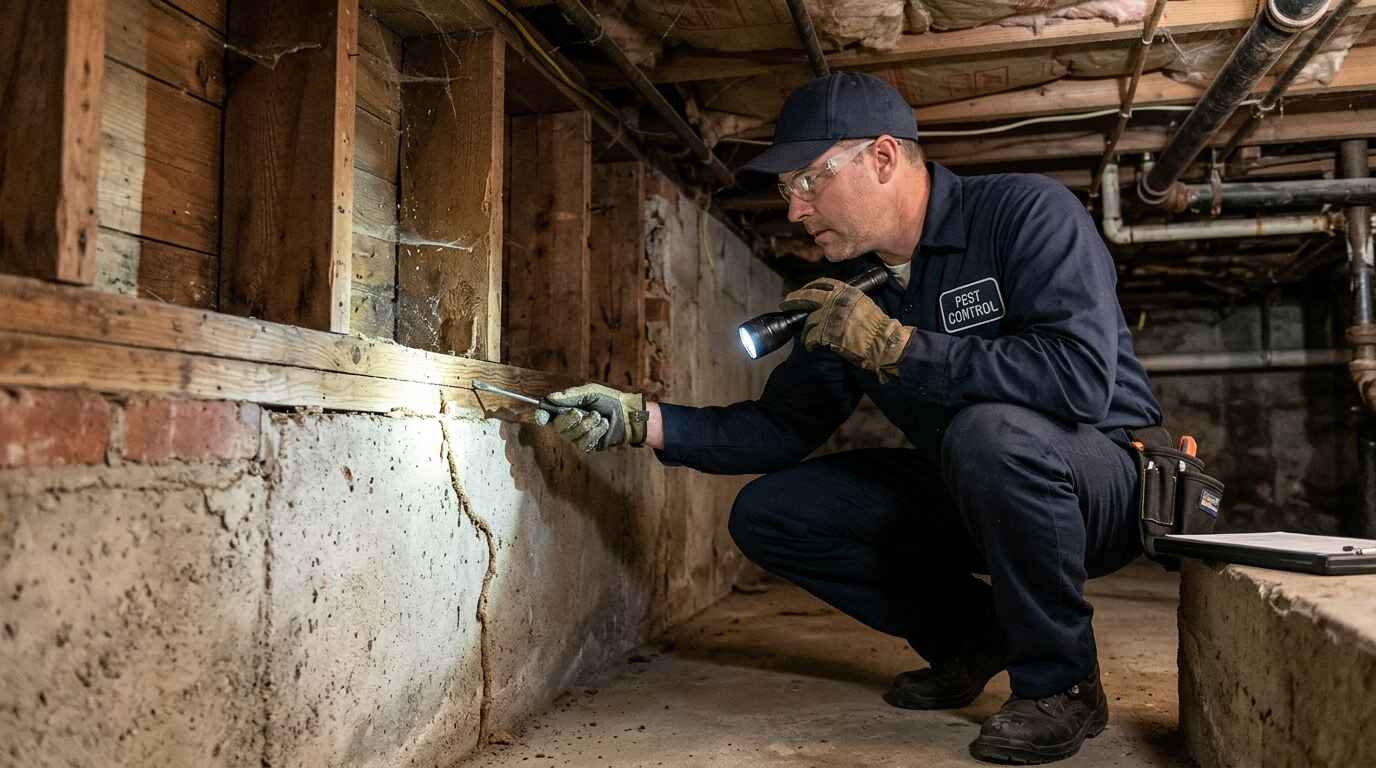
A historic crawlspace home in South of Broad can hold damp soil, flood exposure, and ant entry points together. One call sorts the inspection or treatment that fits the property.
Plan
The right visit for the job
For Charleston homes with crawlspaces, kitchen trails, or foundation activity, the technician recommends an ant inspection, targeted treatment, or whole-home treatment on the call.
Quote
A straight quote
The quote is given on the call and changes with treatment size, access, materials, activity, and distance.
Time
A visit time
The visit time is set on the call around access, weather, and the property’s treatment needs.
From South of Broad and Harleston Village to West Ashley, James Island, and Johns Island, Charleston ant work often means tracing trails through older interiors, crawlspaces, kitchens, slabs, yards, and damp foundation edges.
Services
Ant Exterminator & Control Services in Charleston
Charleston’s historic homes can have tight crawlspaces, older trim, floor penetrations, and damp soil beside foundations. In West Ashley and James Island, exterior routes may run through yards toward slabs or utility entries. Restaurants, apartments, and other businesses need activity mapped across occupied areas, not just one visible trail. Treatment is selected after the technician considers where ants are moving and how the property is built.
Residential ant treatment
Homes in South of Broad, Harleston Village, and West Ashley may need interior trail work paired with foundation and crawlspace checks.
Kitchen ant control
Kitchen treatment follows trails around sinks, cabinets, plumbing penetrations, and food storage, with Charleston humidity often supporting repeated activity.
Indoor ant trail treatment
Visible trails in Charleston homes are traced toward entry points, wall gaps, utility rooms, and accessible areas before treatment is placed.
Exterior perimeter ant control
Perimeter work follows foundation edges, doors, slab joints, and shaded damp ground around Charleston properties exposed to coastal moisture.
Yard and foundation ant control
James Island, Johns Island, and West Ashley yards can carry activity toward foundations, crawlspace vents, and exterior utility penetrations.
Multi-unit ant control
Apartments in Charleston need selected units and shared routes reviewed so treatment addresses activity without assuming every trail has the same source.
Commercial ant control
Restaurants and facilities in Charleston County may need coordinated treatment across kitchens, service areas, storage rooms, and exterior access points.
Sizes
Ant Exterminator & Control Options Available in Charleston
The most common Charleston jobs begin with an ant inspection or targeted treatment, especially where kitchen trails meet crawlspaces, slabs, or damp foundation soil. Whole-home treatment fits broader indoor and exterior activity, while recurring or commercial control suits repeated or multi-area problems.
| Size | Dimensions | Good for |
|---|---|---|
| Ant Inspection | A technician traces ant activity, identifies likely entry points, and checks interior and exterior conditions. | An ant inspection fits a historic Charleston home where trails appear in a kitchen or room but the entry route may run through a crawlspace, trim gap, or foundation opening. |
| Targeted Ant Treatment | A technician treats visible trails, entry points, and accessible areas where ant activity is concentrated. | A targeted treatment suits a concentrated trail around a sink, door, slab joint, or accessible foundation edge in West Ashley, James Island, or another Charleston service area. |
| Whole Home Ant Treatment | A coordinated service addresses common indoor ant routes and exterior areas around a residence. | A whole-home treatment fits a Charleston residence with activity in several rooms, connected utility routes, and exterior areas around the foundation or crawlspace. |
| Recurring Ant Control | Scheduled visits monitor activity and maintain exterior protection against recurring ant entry. | Recurring control suits properties in humid Charleston settings where ants return after exterior activity, especially around crawlspace vents, shaded soil, and repeated entry points. |
| Commercial Ant Control | A service plan treats ant activity across selected areas of a business, facility, or multi-unit property. | Commercial control fits a Charleston restaurant, facility, apartment property, or business needing selected indoor and exterior areas treated under a coordinated service plan. |
Which option fits common Charleston projects
| Project | Size | Why |
|---|---|---|
| Historic crawlspace home | whole-home treatment | Older Charleston construction can connect kitchens, floor gaps, crawlspaces, and foundation edges, making a broader treatment more suitable. |
| Kitchen trail | targeted treatment | A concentrated trail near cabinets, plumbing, or a Charleston kitchen entry may only need focused treatment after the route is traced. |
| Foundation activity | ant inspection | Inspection helps separate foundation activity from crawlspace, slab, or yard sources on damp Charleston lots. |
| Returning yard ants | recurring control | Repeated exterior activity around humid Charleston soil and foundation edges may need scheduled monitoring and maintained protection. |
| Restaurant infestation | commercial control | A Charleston restaurant may need selected kitchens, storage areas, service spaces, and exterior routes handled together. |
Charleston ant treatment planning
Click Here to Call (888) 510-9023Cost
What Affects Ant Exterminator & Control Cost in Charleston
The exact quote is given on the call after the job is described. Ant treatment cost depends on the type and size of the property, activity location, access, time on site, materials, distance, and whether after-hours work is needed.
To avoid surprise charges, describe every active area, property level, crawlspace condition, access restriction, and preferred scheduling need before the quote is prepared on the call.
Property and activity
Prices change with the building size, number of affected areas, ant routes, and whether Charleston activity is limited to one room or spread through the property.
Access and distance
Tight historic crawlspaces, enclosed porches, flood-exposed ground, parking limits, and travel from the Charleston service area can change the work involved.
Parts and materials
Treatment materials and any needed application equipment depend on the ant activity, surfaces, entry points, and whether indoor and exterior areas require different handling.
Time on site
The quote reflects tracing activity, preparing work areas, treating accessible routes, and any after-hours scheduling required by a Charleston residence or business.
What goes in
Types of Work We Handle
Indoor Ant Trails
Indoor trails include activity across kitchens, cabinets, utility rooms, trim, and floor openings. In Charleston’s older homes, technicians may trace a trail back toward a crawlspace or exterior wall.
Foundation Ant Activity
Foundation activity includes trails near slabs, crawlspace vents, doors, and exterior walls. Damp sandy soil around Charleston County homes can support routes that move toward indoor gaps.
Commercial Ant Infestations
Commercial infestations include selected kitchens, storage rooms, service areas, and exterior routes. A Charleston restaurant may need treatment coordinated around food preparation and customer areas.
Not accepted
Treatment does not cover unrelated pests, unsafe access areas, concealed damage, or materials and conditions outside the ant control work described on the call.
How to protect your home in Charleston
Trace the trail
Note where ants begin, where they travel, and whether activity appears indoors, outside, or near a Charleston crawlspace.
Clear the counters
Move food, dishes, and small items away from active kitchen trails so accessible surfaces can be reviewed.
Secure the pets
Keep pets away from the work area and mention any household access concerns before treatment is scheduled.
Check crawlspace access
Identify doors, hatches, vents, and low areas that may affect inspection or treatment at a historic Charleston property.
Describe repeat activity
Mention earlier treatments, returning trails, weather changes, and rooms where ants reappear.
Projects
Ant Exterminator & Control for Different Projects
Residential Ant Exterminator & Control
Residential treatment in Charleston addresses indoor trails, kitchen routes, crawlspaces, slabs, and exterior foundation activity according to the home’s construction.
Kitchen Ant Exterminator & Control
Kitchen work in Harleston Village, West Ashley, or elsewhere in Charleston follows activity around cabinets, sinks, plumbing openings, and food storage.
Foundation Ant Exterminator & Control
Foundation treatment checks damp soil, crawlspace vents, slab edges, doors, and wall penetrations around Charleston homes.
Yard Ant Exterminator & Control
Yard treatment on James Island, Johns Island, and Charleston County properties addresses routes moving from soil, landscaping, or shaded edges toward the home.
Apartment Ant Exterminator & Control
Apartment treatment in Charleston considers affected units, shared walls, utility routes, kitchens, and access rules before selected areas are treated.
Restaurant Ant Exterminator & Control
Restaurant treatment in Charleston focuses on kitchens, storage, service areas, drains, doors, and exterior routes while working around operating conditions.
Commercial Ant Exterminator & Control
Commercial control across Charleston County can address selected offices, facilities, multi-unit areas, storage rooms, and exterior entry points.
How it works
How Ant Exterminator & Control Works in Charleston
Call About Ant Activity
A real person answers by phone at any hour. Describe the ant location, property type, visible trail, and any concern about crawlspace access.
Describe The Problem
Share rooms, foundation areas, yard conditions, prior treatment, pets, access limits, and whether the property is residential or commercial.
Review The Treatment Plan
The technician matches the activity to an inspection, targeted, whole-home, recurring, or commercial treatment and explains what affects the quote.
Schedule Ant Control
Set the visit time around access, occupants, business operations, weather conditions, and any preparation needed at the Charleston property.
Weather in Charleston
Charleston’s hot humid summers can increase ant activity around kitchens, crawlspaces, shaded foundations, and damp sandy soil. Hurricanes and tidal flooding can change access, leave wet ground, and shift exterior routes. Weather conditions are reviewed when setting the visit and deciding which areas can be safely reached.
Treatment area access
Work may occur in kitchens, utility rooms, crawlspaces, basements where present, slab edges, foundation walls, yards, and exterior entry points. Tight historic crawlspaces, standing water, flood exposure, stored items, locked gates, and limited parking can restrict access or change the treatment plan.
Permits
Ant Exterminator & Control Permits and Placement Rules in Charleston
Access rules
Ant treatment at a private Charleston property generally does not involve a street permit, but work affecting public space, unusual equipment placement, or a government-controlled area may require review. The City of Charleston or Charleston County is the place to ask about local approval, and the call covers who must arrange it when needed.
Landlord and HOA requirements
Charleston County condominiums, planned communities, and neighborhood covenants may require landlord, HOA, or property manager approval before treatment. Have those rules ready so access and exterior work are arranged correctly.
What the treatment area needs
Clear access to active rooms, crawlspace doors, foundation edges, utility areas, and shutoffs where relevant. Provide workable parking for the vehicle, keep people and pets clear, secure gates, and mention wet ground, flooding, or storm conditions before the visit.
Timing
Seasons, Weather and the Best Time to Call in Charleston
Ant activity commonly becomes more noticeable during Charleston’s warm, humid weather, especially around kitchens, shaded yards, crawlspaces, and damp foundation soil. Activity can also shift after heavy rain, hurricanes, or tidal flooding. Winter may quiet exterior movement without eliminating indoor trails, so the treatment choice depends on the current route and property access.
Humid summer activity
Warm Charleston summers can bring more visible trails around sinks, doors, crawlspace vents, and shaded foundation edges. Exterior inspection may be affected by saturated soil or storm conditions.
Storm and flood changes
Hurricanes, heavy rain, and tidal flooding can limit access and change where ants move. Mention standing water, damaged access points, or recently flooded areas when scheduling treatment.
Charleston kitchen ant control
Click Here to Call (888) 510-9023Service area
Ant Exterminator & Control Areas We Serve
Service covers Charleston neighborhoods and settings including South of Broad, Harleston Village, West Ashley, James Island, Johns Island, and the downtown peninsula, along with other Charleston County properties. Nearby service areas such as Saint George may be discussed on the call, depending on the job details.
Charleston is part of our Charleston County coverage, and we also serve the neighboring communities below.
Why us
Why Call an Ant Exterminator & Control in Charleston?
Charleston’s historic coastal homes often combine crawlspaces, older floor openings, shaded foundation edges, and damp sandy soil. Tracing the route matters because a kitchen trail may begin outside or below the living space.
West Ashley, James Island, Johns Island, and the downtown peninsula present different access conditions, from slabs and yards to narrow historic interiors. Treatment is sized around the actual structure, activity, and weather exposure rather than a generic property description.
FAQs
Ant Exterminator & Control FAQs
How much does ant control cost in Charleston?
The quote is given on the call and depends on property size, ant activity, access, time on site, materials, distance, and after-hours needs. Describe every active area, including crawlspaces, kitchens, foundations, yards, and business spaces, so the quote reflects the Charleston job.
Which ant treatment fits my Charleston home?
An ant inspection fits uncertain activity, a targeted treatment fits a concentrated trail, and a whole-home treatment fits activity across connected indoor and exterior areas. Recurring control suits repeated entry, while commercial control fits businesses, facilities, and multi-unit properties.
How soon can someone come for ant control in Charleston?
The visit time is set on the call because access, weather, current scheduling, and the treatment area all matter. Ask about available timing, including same-day or next-day options, and mention any storm, flood, business, or tenant restrictions.
What does Charleston ant treatment cover?
Treatment can address indoor trails, kitchen activity, foundation routes, crawlspace-adjacent entry points, yards, exterior perimeters, apartments, and commercial areas selected during planning. The service is based on accessible ant activity and the treatment type chosen for the property.
What does ant control not cover?
Ant control does not cover unrelated pests, unsafe or inaccessible areas, concealed structural damage, or conditions outside the work described on the call. Mention other pest activity, flooding, locked spaces, and known building problems before the visit.
Does Charleston ant treatment need a permit or inspection?
Routine treatment on private property generally does not require a local permit or inspection, but public space, government property, or unusual equipment placement may involve the City of Charleston or Charleston County. The call covers which party must arrange any required approval.
How should I prepare my Charleston home for treatment?
Clear access to trails, kitchens, crawlspace doors, utility rooms, foundation edges, gates, and shutoffs where relevant. Move food and loose items from active surfaces, secure pets, and mention parking limits, standing water, or locked areas.
Can ants be treated in a Charleston crawlspace?
A crawlspace can be included when it is accessible and safe to enter. Historic Charleston homes may have low clearances, damp soil, flood exposure, stored items, or blocked hatches, so describe those conditions before the treatment plan is set.
Does Charleston weather affect ant treatment?
Hot humid weather can increase activity, while heavy rain, hurricanes, and tidal flooding can change routes and limit access. Tell the technician about saturated soil, standing water, storm damage, or recent flooding when arranging the visit.
Can a Charleston restaurant get commercial ant control?
Commercial control can address selected kitchen, storage, service, facility, and exterior areas at a Charleston restaurant or business. Explain operating hours, food preparation areas, affected rooms, access rules, and any tenant or property manager requirements on the call.
Other services in Charleston
- Termite Control
- Bed Bug Exterminator
- Flea Exterminator
- Spider Exterminator
- Cockroach Exterminator & Control