Ant Exterminator & Control in Charlottesville, VA
In Belmont’s older homes, ants can follow damp foundation joints into kitchens while new subdivisions spread activity outdoors. A single phone conversation sorts the inspection or treatment that fits.
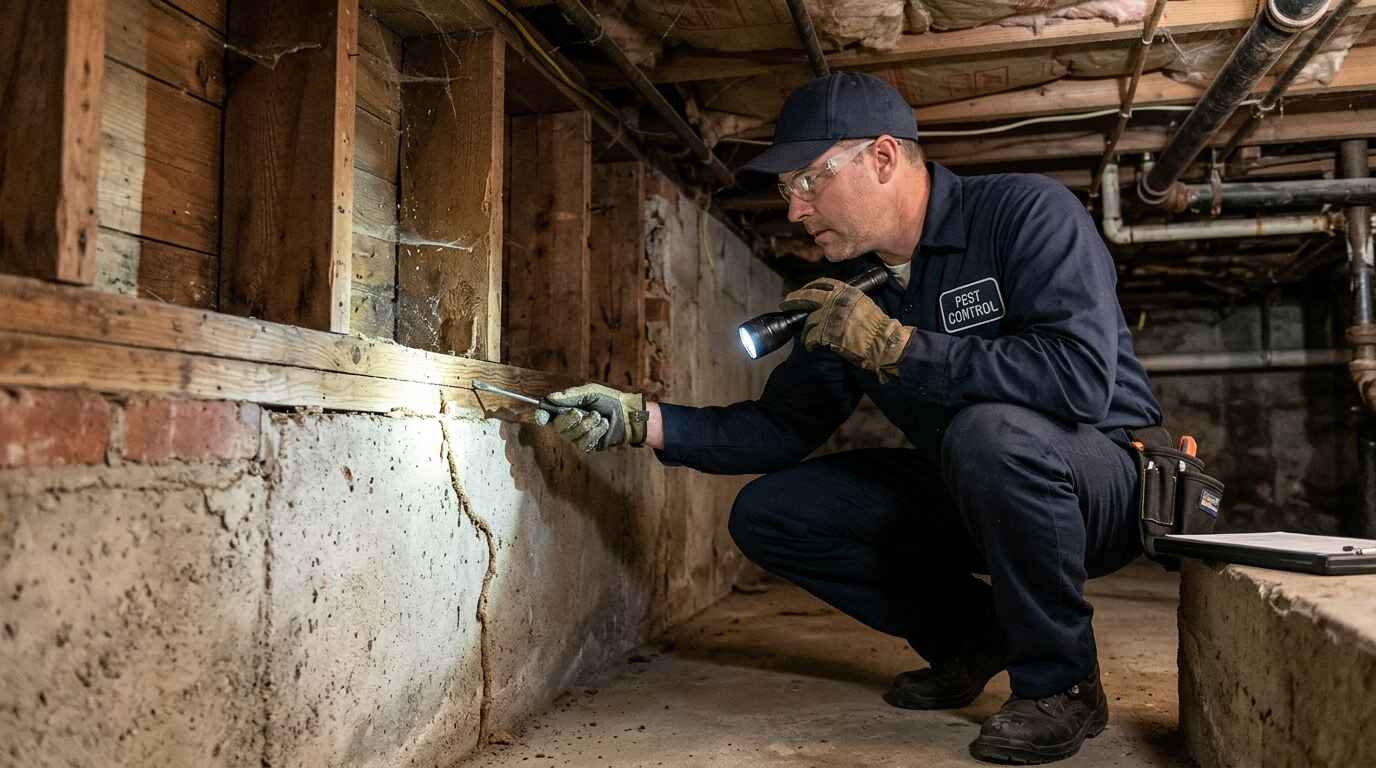
Plan
The right visit for the job
For Charlottesville’s older brick homes, slab houses, and newer subdivision properties, the technician can recommend an ant inspection, targeted treatment, or whole-home treatment.
Quote
A straight quote
The exact quote is given on the call, based on ant activity, property size, access, materials, and time on site.
Time
A visit time
The visit time is set on the call around access, household schedules, and conditions at the Charlottesville property.
Ant work in Belmont, Woolen Mills, Fry’s Spring, and North Downtown often involves older foundations, damp basements, kitchen trails, and exterior entry points. In Charlottesville City’s expanding subdivisions, the same treatment may focus on slabs, utility penetrations, yards, and foundation edges where wet springs and clay soils keep conditions favorable.
Services
Ant Exterminator & Control Services in Charlottesville
Charlottesville’s historic neighborhoods bring older mortar, basement walls, and patched utility openings, while newer homes often have slab edges, landscaped foundations, and tighter exterior routes. Humid summers and wet springs can keep ants active around damp soil. Treatment may stay focused on a kitchen trail or extend across the foundation, yard, and accessible interior routes.
Residential ant treatment
For homes in Charlottesville City, treatment can address kitchen trails, basement activity, and entry points around older foundations or newer slab construction.
Kitchen ant control
Kitchen work in Belmont or Fry’s Spring traces trails to food, moisture, gaps, and nearby utility penetrations before treating accessible activity areas.
Indoor ant trail treatment
Indoor trail treatment follows visible movement through Charlottesville rooms, baseboards, cabinets, and wall openings rather than treating unrelated areas.
Exterior perimeter ant control
Around Charlottesville foundations and newer subdivision homes, exterior work focuses on routes along siding, doors, slabs, and damp soil.
Yard and foundation ant control
Clay soil, mulch, landscaping, and wet ground near Charlottesville foundations can create outdoor routes that need inspection and targeted treatment.
Multi-unit ant control
Apartment properties near Downtown Charlottesville and University-area housing may need coordinated work across selected units, shared walls, utility rooms, and exterior areas.
Commercial ant control
Charlottesville restaurants, offices, and facilities receive a plan for selected areas, with attention to food rooms, service entries, and exterior access.
Sizes
Ant Exterminator & Control Options Available in Charlottesville
Most Charlottesville residential jobs begin with an ant inspection or targeted treatment. Older homes with basement or foundation routes may need whole-home treatment, while repeat activity and business properties fit broader control plans.
| Size | Dimensions | Good for |
|---|---|---|
| Ant Inspection | A technician traces ant activity, identifies likely entry points, and checks interior and exterior conditions. | A technician traces ant activity, identifies likely entry points, and checks interior and exterior conditions at a Belmont home, a North Downtown property, or a newer subdivision house. |
| Targeted Ant Treatment | A technician treats visible trails, entry points, and accessible areas where ant activity is concentrated. | This fits a visible kitchen trail, isolated foundation activity, or a small exterior route where the technician can treat concentrated areas at a Charlottesville residence. |
| Whole Home Ant Treatment | A coordinated service addresses common indoor ant routes and exterior areas around a residence. | A coordinated service addresses common indoor ant routes and exterior areas around homes with basement openings, slab penetrations, or activity on several sides of the property. |
| Recurring Ant Control | Scheduled visits monitor activity and maintain exterior protection against recurring ant entry. | Scheduled visits monitor activity and maintain exterior protection where wet springs, landscaping, or repeated entry keep ants returning around a Charlottesville home. |
| Commercial Ant Control | A service plan treats ant activity across selected areas of a business, facility, or multi-unit property. | A service plan treats selected areas of a Charlottesville business, facility, restaurant, or multi-unit property rather than assuming every room has the same activity. |
Which option fits common Charlottesville projects
| Project | Size | Why |
|---|---|---|
| Kitchen trail | targeted treatment | A visible trail near cabinets or plumbing often needs focused work after entry points and moisture conditions are checked. |
| Older brick home | whole-home treatment | Basements, patched mortar, utility openings, and exterior foundation routes can connect activity across several areas. |
| Subdivision foundation | ant inspection | The inspection separates an exterior trail from indoor entry through slab edges, doors, landscaping, or utility penetrations. |
| Recurring yard activity | recurring control | Repeated activity around clay soil, mulch, and foundation edges benefits from monitoring and maintained exterior protection. |
| Restaurant activity | commercial control | Food rooms, service entries, storage areas, and selected exterior zones require a coordinated business treatment plan. |
Schedule Charlottesville ant treatment
Click Here to Call (888) 510-9023Cost
What Affects Ant Exterminator & Control Cost in Charlottesville
The exact quote is given on the call after the treatment need is understood. Cost depends on the type and size of the job, ant locations, parts and materials, time on site, access, distance, and after-hours work.
To avoid surprise charges, describe every active area, property level, access limit, and prior treatment on the call. The exact quote is given before the visit is scheduled, with added work discussed rather than assumed.
Job size and activity
The number of affected rooms, foundation sides, exterior areas, and active trails changes the work compared with one isolated Charlottesville kitchen route.
Access and distance
Basements, crawl spaces, locked utility rooms, tight yards, and distance from the Charlottesville service area can change time on site and preparation.
Materials and parts
Treatment materials and any needed application parts depend on the ant route, surface, moisture conditions, and whether work is indoors, outdoors, or both.
Timing and conditions
After-hours work, difficult access, rain, wet ground, and conditions around older Charlottesville properties can affect scheduling and labor.
What goes in
Types of Work We Handle
Indoor Ant Trails
This covers visible movement through kitchens, bathrooms, basements, and living areas. A typical Charlottesville load is a kitchen trail entering near cabinets, plumbing, or a window.
Foundation Ant Activity
This covers activity around slabs, masonry, crawl spaces, doors, and exterior foundation edges. Charlottesville clay soil and wet spring conditions can make these routes persistent.
Commercial Ant Infestations
This covers selected areas of restaurants, offices, facilities, and multi-unit properties, including food rooms, service entries, shared utility spaces, and exterior approaches.
Not accepted
The service does not cover unrelated pests, unsafe work areas, inaccessible spaces, hazardous materials, or treatment beyond the areas described and agreed on the call.
How to protect your home in Charlottesville
Trace the trail
Note where ants begin, where they disappear, and whether the route changes between daytime and evening.
Clear the counters
Move food, dishes, and small items away from active kitchen areas so surfaces and entry points can be checked.
Secure your pets
Keep pets away from the work area and mention their presence before the treatment plan is set.
List prior treatments
Describe products, recent applications, and areas already treated so the technician can plan the work accurately.
Check access points
Identify locked basements, crawl spaces, utility rooms, gates, and exterior areas that need entry.
Projects
Ant Exterminator & Control for Different Projects
Residential Ant Exterminator & Control
Residential work in Charlottesville can address indoor trails and exterior routes around Belmont homes, North Downtown properties, or newer subdivision foundations.
Kitchen Ant Exterminator & Control
Kitchen treatment traces activity around cabinets, sinks, windows, and utility penetrations before focusing on the accessible route into the Charlottesville home.
Foundation Ant Exterminator & Control
Foundation work suits Charlottesville City properties where ants move through masonry joints, slab edges, crawl spaces, doors, or damp clay soil.
Yard Ant Exterminator & Control
Yard treatment examines mulch, planting beds, retaining edges, and foundation sides around Charlottesville homes where wet ground supports exterior activity.
Apartment Ant Exterminator & Control
Apartment work near Downtown Charlottesville or University-area housing may coordinate selected units, shared walls, utility spaces, and exterior entry areas.
Restaurant Ant Exterminator & Control
Restaurant treatment in Charlottesville focuses on food rooms, storage, wash areas, service doors, and exterior approaches selected during the treatment plan.
Commercial Ant Exterminator & Control
Commercial control serves Charlottesville offices, facilities, and multi-unit properties with treatment across agreed areas rather than a one-room residential approach.
How it works
How Ant Exterminator & Control Works in Charlottesville
Call About Ant Activity
A real person answers by phone and records the property type, Charlottesville location, visible activity, and any urgent access concerns.
Describe The Problem
Explain where ants appear, how long the trail has been present, what weather changes it, and whether previous treatment was used.
Review The Treatment Plan
The technician matches the problem to an inspection, targeted treatment, whole-home treatment, recurring control, or commercial control.
Schedule Ant Control
Once the scope and exact quote are clear, the visit time is set around property access, occupants, pets, and work-area preparation.
Weather in Charlottesville
Charlottesville’s humid summers and wet springs can increase activity around damp foundations, mulch, and clay soil. Occasional winter freezes may push ants toward protected indoor routes or expose foundation gaps. Rain and saturated ground can affect exterior access, so conditions are considered when the visit is scheduled.
Treatment area access
Work may involve kitchens, basements, crawl spaces, slabs, utility rooms, foundation edges, doors, yards, and planting beds. Access can be limited by locked rooms, low crawl spaces, stored belongings, dense landscaping, steep ground, wet clay, or shared areas in multi-unit properties.
Permits
Ant Exterminator & Control Permits and Placement Rules in Charlottesville
Access rules
Ant treatment at a private Charlottesville property generally does not require a street permit, but street placement, blocked sidewalks, or unusual access can involve the City of Charlottesville. The call covers whether local approval or an inspection applies and who arranges it when needed.
Landlord and HOA requirements
Charlottesville neighborhoods, condominium communities, and rental properties may have rules about exterior applications, shared grounds, notices, or contractor access. Owners, tenants, and landlords should check applicable covenants or building policies before scheduling exterior work.
What the treatment area needs
Clear a path to active rooms, crawl spaces, basements, utility areas, foundation edges, and yard routes. Provide parking for the work vehicle, unlock needed areas, keep people and pets clear, and account for wet clay, rain, or seasonal outdoor conditions.
Timing
Seasons, Weather and the Best Time to Call in Charlottesville
Ant activity commonly becomes more noticeable in Charlottesville during spring moisture and the warmer humid months. Wet ground, landscaping, and expanding vegetation can support exterior routes, while older foundations offer indoor entry points. Winter freezes may shift activity toward protected parts of a house, so the location and season help shape the treatment plan.
Spring moisture and trails
Wet springs can make clay soil and foundation edges attractive to ants. Early indoor trails near kitchens, basements, and utility penetrations should be described clearly so the route is checked.
Summer foundation activity
Humid Charlottesville summers often bring more visible movement around mulch, doors, slabs, and exterior walls. Treatment timing is set around weather, access, and whether outdoor ground is workable.
Discuss ant trails in Charlottesville
Click Here to Call (888) 510-9023Service area
Ant Exterminator & Control Areas We Serve
Service covers Charlottesville City areas including Belmont, North Downtown, Woolen Mills, Fry’s Spring, and the Downtown and University-area corridors, along with other city neighborhoods. Nearby work outside the city is discussed by location, including properties toward surrounding Albemarle County communities.
Charlottesville is part of our Charlottesville City coverage, and we also serve the neighboring communities below.
Why us
Why Call an Ant Exterminator & Control in Charlottesville?
Charlottesville’s historic neighborhoods place older masonry, basements, crawl spaces, and patched utility openings beside newer subdivision construction. That mix changes whether the work follows an indoor trail, a foundation edge, or several connected routes.
Wet springs, humid summers, clay soils, and occasional freezes affect Charlottesville yards and foundations differently. The treatment plan accounts for damp ground, landscaped edges, slab access, and protected indoor routes rather than treating every property the same.
FAQs
Ant Exterminator & Control FAQs
How much does ant control cost in Charlottesville?
The exact quote is given on the call and depends on the job type and size, activity locations, access, materials, time on site, distance, and after-hours work. Describe every affected room and exterior area, especially around older Charlottesville foundations.
Which ant treatment fits my Charlottesville home?
An ant inspection fits uncertain activity, targeted treatment fits a concentrated trail, and whole-home treatment fits connected indoor and exterior routes. Recurring control suits repeated entry, while commercial control fits businesses and multi-unit properties.
How soon can someone come for ant control in Charlottesville?
The visit time is set on the call after the property, activity, access, and treatment need are reviewed. Same-day or next-day availability can be discussed, but it is not promised; wet ground and locked areas may also affect scheduling.
What does Charlottesville ant treatment cover?
Treatment can cover visible indoor trails, kitchens, foundation activity, yards, exterior perimeters, selected apartment areas, or commercial zones described in the plan. The technician checks likely entry points and accessible conditions before treating the agreed areas.
What does ant control not cover?
It does not cover unrelated pests, unsafe areas, hazardous materials, inaccessible spaces, or work beyond the agreed treatment areas. Mention termites, bed bugs, rodents, or other pest concerns separately so the correct service can be discussed.
Does ant control in Charlottesville need a permit or inspection?
Private ant treatment generally does not require a street permit, but unusual vehicle placement, blocked sidewalks, or local property conditions may involve the City of Charlottesville. The call covers whether approval or inspection applies and who handles it.
Do I need to leave my Charlottesville home?
Access depends on the treatment plan, products, occupants, pets, and rooms involved. Keep people and animals clear of active work areas, secure food and dishes, and provide entry to kitchens, basements, crawl spaces, utility rooms, and exterior routes.
What should I have ready when calling about ants?
Have the Charlottesville address, property type, rooms or outdoor areas affected, trail locations, activity history, prior treatments, pets, access limits, and preferred scheduling information ready. Photos can help describe the route, but the site still needs evaluation.
Does Charlottesville weather affect ant treatment?
Yes, wet springs, humid summers, clay soil, rain, and occasional winter freezes can change where ants travel and whether exterior ground is workable. Describe recent weather and whether activity is indoors, outdoors, or moving between both.
Can you treat ants in Charlottesville historic homes?
Yes, treatment can be planned for historic Charlottesville properties with masonry foundations, basements, crawl spaces, patched openings, and older utility routes. Access, surface conditions, occupied rooms, and exterior restrictions are reviewed before the scope is set.
Other services in Charlottesville
- Termite Control
- Bed Bug Exterminator
- Flea Exterminator
- Spider Exterminator
- Cockroach Exterminator & Control