Termite Control in Kent, CT
In Kent Hollow, termites can work behind stone foundation walls before signs reach the living space. One call sorts out whether an inspection, targeted treatment, or whole-home treatment fits.
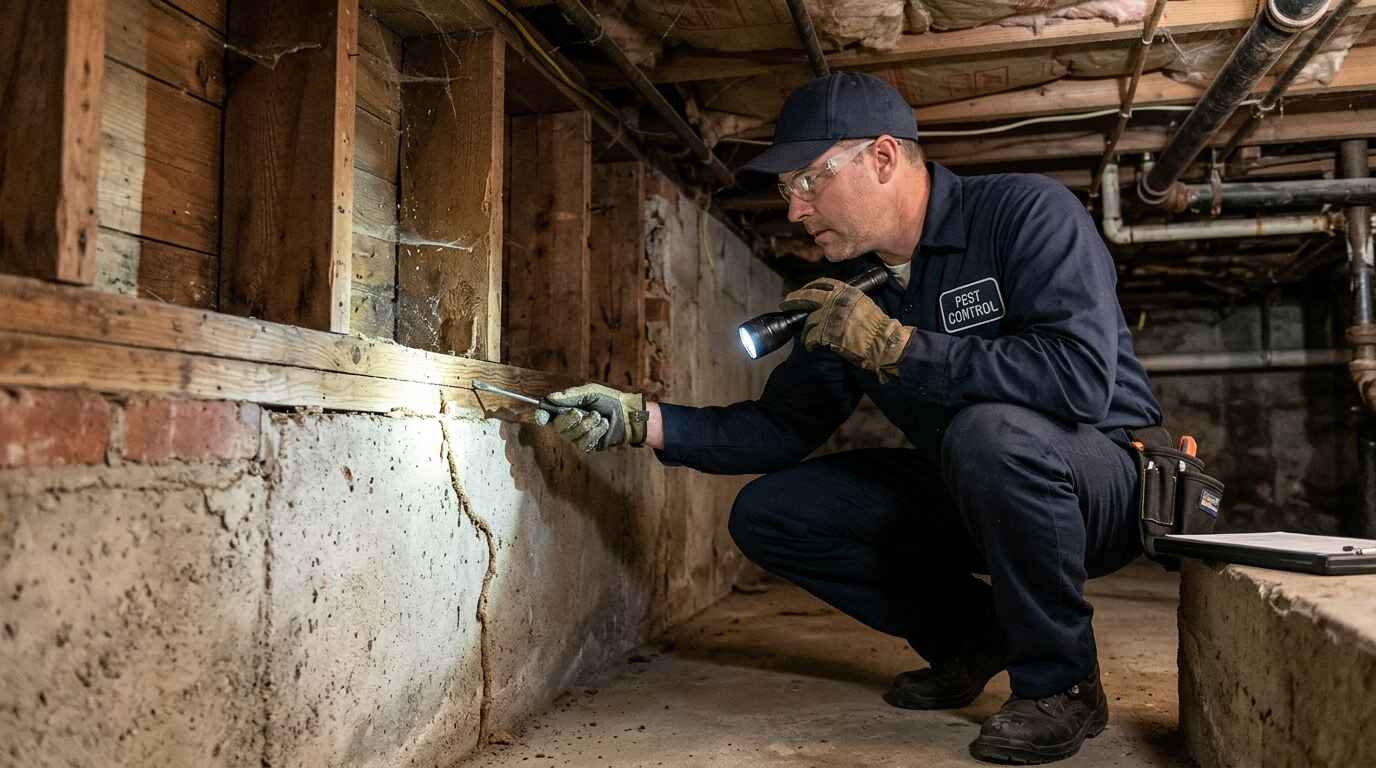
Plan
The right visit for the job
For older Kent homes with stone foundations or wooded hillside exposure, an inspection usually comes first, followed by targeted treatment when activity is localized.
Quote
A straight quote
The quote is given on the call and changes with treatment scope, access, materials, travel distance, and time on site.
Time
A visit time
The visit time is set on the call around access, occupants, weather, and the condition of the property.
From Kent Hollow and Macedonia Brook to homes near Lake Waramaug, termite work changes with stone foundations, crawl spaces, wooded lots, and hillside access. Properties along Route Seven may have different entry conditions than older houses near the Housatonic River. The inspection checks accessible wood, foundation edges, moisture, and likely termite routes.
Services
Termite Control Services in Kent
Kent homes range from older properties with stone foundations to newer houses on wooded hillside lots. Spring saturation can keep foundation edges damp, while humid summers support conditions termites use around wood and soil. The work may involve basements, crawl spaces, slabs, porches, sill plates, and detached structures, so the accessible route matters before treatment is selected.
Residential termite control
Residential termite control in Kent addresses activity around foundations, crawl spaces, porches, and wood stored near wooded lots.
Termite inspection
A Kent termite inspection examines accessible foundation edges, framing, moisture conditions, and evidence of activity before treatment is chosen.
Wood-destroying insect report
A wood-destroying insect report records visible findings for Kent buyers, sellers, and owners of older homes with stone foundations.
Preventive termite treatment
Preventive termite treatment helps address conducive conditions around Kent homes, including damp soil, wood contact, and shaded foundation areas.
Subterranean termite treatment
Subterranean termite treatment follows activity through soil, foundation gaps, crawl spaces, and other routes common around Kent hillside properties.
Commercial termite control
Commercial termite control covers accessible structural areas, storage spaces, and service routes for Kent offices, shops, and other buildings.
Termite damage assessment
Termite damage assessment separates active evidence from older deterioration in Kent framing, sill areas, trim, and foundation-adjacent wood.
Sizes
Termite Control Options Available in Kent
Most Kent jobs begin with a Termite Inspection because stone foundations, finished basements, and wooded slopes can hide the route. A Targeted Treatment fits confirmed activity in an accessible area, while broader evidence may require a Whole-Home Treatment.
| Size | Dimensions | Good for |
|---|---|---|
| Termite Inspection | A technician examines accessible areas for termites, conducive conditions, and evidence of damage. | This fits a Kent home with suspected activity, damp foundation edges, or visible mud tubes. The technician examines accessible areas for termites, conducive conditions, and evidence of damage. |
| Targeted Treatment | Treatment focuses on identified activity and accessible entry or nesting areas. | This suits localized activity near a sill, crawl space, porch, or foundation entry at a Kent property. Treatment focuses on identified activity and accessible entry or nesting areas. |
| Whole-Home Treatment | A coordinated treatment addresses active termite activity around the structure and likely entry routes. | This fits a Kent structure with activity in more than one area, uncertain entry routes, or extensive foundation exposure. Treatment addresses active activity around the structure and likely routes. |
Which option fits common Kent projects
| Project | Size | Why |
|---|---|---|
| Older stone foundation | inspection | Masonry joints, damp basement edges, and hidden sill areas need examination before choosing treatment for an older Kent house. |
| Wooded hillside home | targeted treatment | Accessible activity near a foundation or crawl space can often be addressed after the entry route is identified. |
| Spring moisture damage | inspection | Saturated soil and damp wood around a Kent foundation can resemble or encourage termite conditions that need sorting out. |
| Multiple active areas | whole-home treatment | Activity around several foundation sides or interior spaces calls for a coordinated plan rather than one isolated treatment area. |
| Property sale report | inspection | A buyer or seller needs accessible evidence reviewed before a wood-destroying insect report is prepared. |
Schedule termite treatment in Kent
Click Here to Call (888) 510-9023Cost
What Affects Termite Control Cost in Kent
The exact quote is given on the call after the property and concern are discussed. Cost depends on the treatment type, structure size, active areas, foundation design, parts and materials, time on site, access, travel from Kent, and after-hours work.
To avoid surprise charges, describe the structure, visible evidence, access limits, and any prior treatment when calling. The exact quote is discussed before the termite treatment is scheduled.
Treatment scope
Inspection, targeted treatment, and whole-home treatment require different work areas and preparation, especially where Kent activity crosses a basement, crawl space, or detached structure.
Foundation access
Stone walls, steep wooded drives, finished basements, tight crawl spaces, and spring-soft ground can change the time and access required at a Kent property.
Materials and parts
Parts and materials depend on the selected treatment and the structure's entry conditions, including foundation gaps, soil contact, wood damage, and protected work areas.
Travel and scheduling
Distance from Kent, parking, difficult hillside access, occupied rooms, and after-hours scheduling can affect the time involved and the final quote.
What goes in
Types of Work We Handle
Active Termite Infestations
This covers identified or suspected live termite activity around Kent homes, including mud tubes, damaged sill areas, crawl spaces, and damp foundation edges.
Preventive Termite Protection
This covers treatment planning for Kent properties with wooded exposure, soil-to-wood contact, moisture problems, or other conditions that can support termite entry.
Wood Damage Assessment
This covers accessible assessment of damaged framing, trim, porches, and foundation-adjacent wood, including the heavy moisture loads found after Kent spring saturation.
Not accepted
Termite treatment does not cover unrelated structural repairs, concealed damage that cannot be accessed, household contents, or pest problems outside the agreed termite work.
How to protect your home in Kent
Clear foundation edges
Move stored wood, leaves, and loose items away from accessible foundation areas before the Kent inspection.
Keep pets inside
Keep pets and children away from work areas, basements, crawl spaces, and treated exterior sections during the visit.
Share prior records
Have previous pest reports, treatment details, repair notes, and known leaks ready when discussing the property.
Expose problem areas
Identify stained wood, mud tubes, damaged trim, and recurring moisture so the technician can check those locations first.
Unlock service areas
Arrange access to basements, crawl spaces, utility rooms, porches, and detached structures before the visit.
Projects
Termite Control for Different Projects
Termite Inspection Control
Termite inspection control checks accessible structure, soil contact, and foundation edges in Kent homes, including older properties near the Housatonic River.
Subterranean Termite Control
Subterranean termite control follows soil-linked routes around Kent foundations, crawl spaces, porches, and damp areas affected by spring saturation.
Drywood Termite Control
Drywood termite control addresses evidence in accessible wood and framing, with the treatment plan shaped by the building and affected areas in Kent.
Preventive Termite Control
Preventive termite control targets conditions around wooded Kent lots, including moisture, wood contact, shaded foundations, and entry points.
Commercial Termite Control
Commercial termite control serves Kent buildings with accessible offices, storage areas, utility routes, and structural wood requiring inspection or treatment.
Termite Damage Control
Termite damage control documents accessible deterioration and separates active evidence from older damage in Kent basements, porches, and sill areas.
Termite Barrier Control
Termite barrier control focuses on likely entry routes around Kent foundations, where stonework, soil, landscaping, and hillside drainage affect access.
How it works
How Termite Control Works in Kent
Request An Inspection
Describe the property, visible evidence, foundation type, access limits, and any prior treatment when requesting a Kent inspection.
Identify Termite Activity
The technician examines accessible areas for live activity, damage evidence, moisture, soil contact, and routes through or beside the structure.
Review The Treatment Plan
The treatment plan explains whether inspection, targeted treatment, or whole-home treatment fits the activity and accessible areas found.
Protect The Structure
Complete the agreed termite treatment and address practical conditions around wood, soil, drainage, and foundation access where possible.
Weather in Kent
Kent's cold, snowy winters can block foundation edges and make wooded drives difficult to access. Spring saturation may leave soil soft and basements damp, while humid summers can make crawl spaces uncomfortable and increase moisture concerns. Weather is reviewed when setting the visit and choosing accessible work areas.
Treatment area access
Work may occur in crawl spaces, basements, slabs, utility rooms, porches, foundation edges, yards, or detached structures. Stone foundations can limit drilling and inspection lines, while finished walls, tight clearances, steep wooded lots, snow, wet soil, and stored items may restrict access.
Permits
Termite Control Permits and Placement Rules in Kent
Access rules
Most termite treatments at a private home do not involve a street permit, but work affecting public space, unusual exterior access, or a required local inspection should be confirmed with the Town of Kent. The call can cover who needs to arrange any local approval or inspection before work begins.
Landlord and HOA requirements
Covenants, landlord rules, or neighborhood requirements in Litchfield County may control exterior treatment areas, visible equipment, landscaping changes, or access to shared drives. Tenants and owners should have those rules ready when discussing the property.
What the work area needs
Clear the problem area and access to shutoffs, basements, crawl spaces, utility rooms, and foundation edges. Provide parking for the work vehicle, keep people and pets clear, and account for snow, wet ground, leaves, and steep Kent drives.
Timing
Seasons, Weather and the Best Time to Call in Kent
Termite concerns in Kent often become visible during spring thaw, when saturated soil and damp foundations expose conditions around older stonework. Humid summer weather can reveal activity near shaded wood and crawl spaces. Fall preparation is useful on wooded lots, while winter snow and frozen ground can limit exterior access and shift attention indoors.
Spring thaw and wet foundations
As snowmelt and spring rain saturate Kent soil, check damp basement edges, crawl spaces, sill areas, and wood touching the ground. Soft yards and muddy hillside drives may limit exterior access during the visit.
Summer humidity and shaded wood
Humid summers can keep shaded foundation areas and crawl spaces damp, especially on wooded Kent properties. Clear vegetation and stored wood where possible so accessible entry routes and damaged areas can be examined.
Arrange a Kent termite inspection
Click Here to Call (888) 510-9023Service area
Termite Control Areas We Serve
Service covers Kent Hollow, Macedonia Brook, the village center, Lake Waramaug areas, and properties along Route Seven and the Housatonic River corridor. Access is also available for nearby work in Sherman, Waterbury, Plainville, Farmington, and Middletown when arranged on the call.
Kent is part of our Litchfield County coverage, and we also serve the neighboring communities below.
Why us
Why Call a Termite Control in Kent?
Kent's older homes often combine stone foundations, finished lower levels, and irregular access around wooded slopes. That combination can hide termite routes behind masonry or below floors, so the work starts with the areas that can actually be examined.
Spring saturation around the Housatonic River and shaded lots near Lake Waramaug can keep soil and foundation edges damp. Treatment planning accounts for drainage, stored wood, hillside access, and the difference between active termites and older damage.
FAQs
Termite Control FAQs
How much does termite control cost in Kent?
Termite control cost in Kent depends on the service type, structure size, active areas, foundation access, parts and materials, time on site, travel, and after-hours work. A stone foundation with a tight crawl space may require different preparation than an accessible slab. The exact quote is given on the call.
Which termite treatment fits my Kent home?
A Termite Inspection usually fits first when activity is uncertain, especially in an older Kent home with stonework or a wooded foundation. Targeted Treatment suits confirmed activity in an accessible area, while Whole-Home Treatment fits activity across several areas or likely entry routes.
How soon can someone come for termite control in Kent?
The visit time for Kent is set on the call after the property, concern, access, and scheduling needs are reviewed. Ask about available options, including same-day or next-day service if that matters, but arrival timing is not promised until the visit is arranged.
What does termite treatment cover in Kent?
Termite treatment covers the agreed inspection or treatment areas, such as accessible foundation edges, crawl spaces, basements, slabs, wood, yards, and likely entry routes. The selected scope depends on findings and access at the Kent property, so the work plan is reviewed before treatment.
What does termite control not cover?
Termite control does not cover unrelated structural repairs, inaccessible concealed damage, household contents, or pest problems outside the agreed termite work. At a Kent property, damaged framing or masonry may need a separate trade after the termite activity and accessible evidence are assessed.
Does termite treatment in Kent need a permit or inspection?
Most private termite treatments do not require a street permit, but unusual exterior work, public-space access, or a local inspection may need confirmation with the Town of Kent. The call covers what should be checked and who arranges any required approval.
What access is needed for Kent termite treatment?
Access is needed to the suspected problem area and may include basements, crawl spaces, utility rooms, slabs, porches, foundation edges, yards, or detached structures. Clear stored items, unlock service areas, provide vehicle parking, and keep people and pets away from active work areas.
What should I have ready when calling about termites?
Have the Kent property address, building type, foundation type, visible signs, affected rooms, moisture or leak history, prior treatment records, access restrictions, and preferred scheduling information ready. Photos can help explain mud tubes, damaged wood, or difficult hillside access.
Does Kent weather affect termite treatment?
Kent weather can affect exterior access because snow, spring saturation, muddy slopes, and humid crawl spaces change how foundation areas can be reached. The visit is set with those conditions in mind, and accessible indoor areas may be reviewed when exterior ground is difficult.
Are stone foundations in Kent harder to treat for termites?
Stone foundations in Kent can make termite routes harder to trace because irregular joints, damp basement edges, and finished surfaces may limit inspection or drilling. The technician checks accessible masonry, sill areas, soil contact, and nearby wood before recommending the treatment scope.