Ant Exterminator & Control in Kent, CT
An older stone-foundation home near Kent Green can hide ant entry points behind damp masonry and basement joints. One phone conversation sorts the inspection or treatment that fits the property.
Plan
The right visit for the job
Older Kent homes with stone foundations usually need an ant inspection first, while a visible trail may fit a targeted treatment after the entry route is described.
Quote
A straight quote
The exact quote is given on the call, based on treatment type, activity, access, materials, time, and distance.
Time
A visit time
The visit time is set on the call around property access, household schedules, and current conditions.
From Kent Green and Macedonia Brook to homes along Route 7, ant work changes with stone foundations, basement moisture, wooded yards, and older interior trim. Properties near the Housatonic River may need exterior entry checks, while apartment and business spaces require attention to shared walls, kitchens, and service areas.
Services
Ant Exterminator & Control Services in Kent
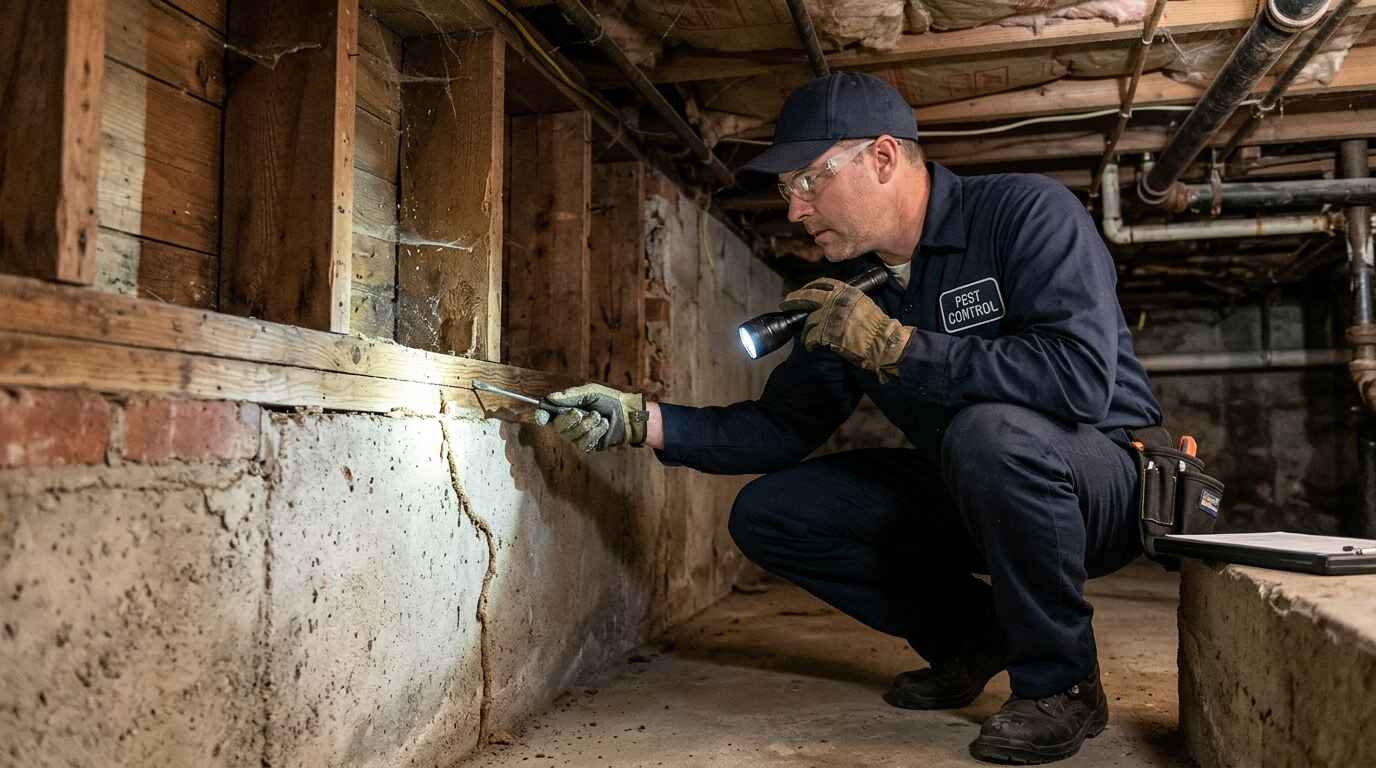
Kent homes often combine old stone foundations, finished basements, wood trim, and irregular joints where ants can travel unseen. Humid summers and wet autumns keep exterior areas active, while wooded lots around Macedonia and Bulls Bridge add routes from soil, roots, and foundation edges. Treatment starts with identifying the trail and the conditions supporting it.
Residential ant treatment
Kent residences with older stone foundations may need interior trail work paired with inspection around basement walls, sills, and exterior entry points.
Kitchen ant control
Kitchen treatment in Kent homes focuses on trails near sinks, cabinets, pantry edges, plumbing penetrations, and damp foundation-side walls.
Indoor ant trail treatment
Indoor trails in Kent may cross trim, flooring gaps, and basement stairs, so the visible line is checked against likely entry points.
Exterior perimeter ant control
Perimeter work around Kent properties follows foundation joints, porch edges, mulch, stonework, and shaded ground that stays damp after rain.
Yard and foundation ant control
Yard and foundation treatment suits Kent lots where wooded edges, rocky ground, and older masonry create several routes toward the home.
Multi-unit ant control
Multi-unit properties in Kent need selected rooms and shared pathways checked, especially kitchens, utility areas, basements, and connected foundation sections.
Commercial ant control
Kent businesses need treatment planned around kitchens, storage, customer areas, deliveries, and building access without overlooking exterior foundation routes.
Sizes
Ant Exterminator & Control Options Available in Kent
Targeted treatment fits many Kent jobs where a trail is visible and access is straightforward. Older homes with stone foundations, repeated activity, or several rooms often suit whole-home treatment after an ant inspection.
| Size | Dimensions | Good for |
|---|---|---|
| Ant Inspection | A technician traces ant activity, identifies likely entry points, and checks interior and exterior conditions. | A technician traces activity and checks likely entry points inside and outside. This fits a Kent stone-foundation home where ants appear in a basement but the route is unclear. |
| Targeted Ant Treatment | A technician treats visible trails, entry points, and accessible areas where ant activity is concentrated. | A technician treats visible trails, entry points, and accessible concentrated areas. A kitchen trail near a Kent sink or foundation wall may fit this visit. |
| Whole Home Ant Treatment | A coordinated service addresses common indoor ant routes and exterior areas around a residence. | This coordinated service addresses common indoor routes and exterior areas around a residence. It suits an older Kent home with activity in the kitchen, basement, and siding. |
| Recurring Ant Control | Scheduled visits monitor activity and maintain exterior protection against recurring ant entry. | Scheduled visits monitor activity and maintain exterior protection. This can suit a wooded Kent property where wet ground and repeated seasonal entry keep bringing ants back. |
| Commercial Ant Control | A service plan treats ant activity across selected areas of a business, facility, or multi-unit property. | This service plan treats selected areas of a business, facility, or multi-unit property. Kent restaurants, rentals, and commercial buildings may need separated kitchen, storage, and exterior work. |
Which option fits common Kent projects
| Project | Size | Why |
|---|---|---|
| Kitchen trail | targeted treatment | A visible route near cabinets or plumbing can be treated after checking moisture, gaps, and the foundation side of the Kent home. |
| Stone basement | ant inspection | Older masonry can conceal several entry points, so tracing activity is more useful than treating only the ants seen indoors. |
| Wooded lot | whole-home treatment | A home beside wooded ground or wet autumn leaf cover may have indoor and exterior routes that need coordinated attention. |
| Repeat spring activity | recurring control | Repeated entry around a Kent foundation calls for monitoring and exterior protection rather than isolated trail treatment. |
| Restaurant kitchen | commercial control | A restaurant needs selected kitchen, storage, service, and exterior areas reviewed together, with access planned around its working spaces. |
Kent ant treatment planning
Click Here to Call (888) 510-9023Cost
What Affects Ant Exterminator & Control Cost in Kent
The exact quote is given on the call after the treatment type is discussed. Cost depends on the size and layout of the property, ant activity, parts and materials, time on site, access around stone foundations, distance, and after-hours work.
To avoid surprise charges, describe every active area, foundation condition, access limitation, and scheduling concern before the treatment is arranged. The quote is reviewed on the call.
Property size
A small kitchen route differs from treatment across an older Kent home, several basement rooms, or a multi-unit building with shared walls.
Activity and access
Hidden trails, rocky ground, crawl spaces, finished basements, and limited access can change inspection time and the work area.
Materials and parts
The treatment approach may require different materials for indoor trails, foundation joints, exterior edges, and commercial food-service spaces.
Distance and scheduling
Distance from the Kent service area, parking conditions, difficult property access, and after-hours work can affect the quote.
What goes in
Types of Work We Handle
Indoor Ant Trails
Indoor ant trails include activity along trim, cabinets, floors, basement stairs, and utility penetrations. A typical Kent load is a kitchen trail extending toward an older stone foundation.
Foundation Ant Activity
Foundation activity includes ants entering through masonry joints, sill areas, porch connections, and nearby ground. Rocky Kent lots and damp autumn soil can make these routes less obvious.
Commercial Ant Infestations
Commercial infestations include selected kitchen, storage, service, and exterior areas in businesses or facilities. Kent restaurants and multi-unit properties need work areas identified before treatment.
Not accepted
Do not include unrelated pest problems, inaccessible areas, unsafe conditions, household belongings blocking the work area, or materials and services not discussed in the treatment plan.
How to protect your home in Kent
Trace the trail
Note where ants appear first, where they disappear, and whether the route changes after rain or cleaning.
Clear the cabinets
Move loose food and small items from affected shelves so the technician can inspect corners, joints, and plumbing openings.
Check the basement
Look for activity near stone walls, windows, pipes, stairs, and damp storage areas before describing the problem.
Secure the pets
Keep pets away from treatment areas and mention aquariums, sensitive animals, or household access concerns during scheduling.
List every area
Mention kitchens, bedrooms, basements, porches, yards, and shared spaces instead of reporting only the most visible trail.
Projects
Ant Exterminator & Control for Different Projects
Residential Ant Exterminator & Control
Residential work in Kent homes checks indoor trails against stone foundations, basement openings, trim gaps, porches, and wooded exterior edges.
Kitchen Ant Exterminator & Control
Kent kitchen treatment follows activity around sinks, cabinets, pantry corners, plumbing penetrations, and foundation-side walls where moisture can support entry.
Foundation Ant Exterminator & Control
Foundation work in Kent focuses on old masonry joints, sill areas, porch connections, rocky soil, and damp ground beside the home.
Yard Ant Exterminator & Control
Yard treatment covers routes through mulch, leaf cover, stone edges, roots, and shaded ground before ants reach Kent foundations.
Apartment Ant Exterminator & Control
Apartment work in Kent separates affected units, shared walls, kitchens, utility rooms, and common access points so activity is not treated in isolation.
Restaurant Ant Exterminator & Control
Restaurant treatment in Kent addresses kitchen edges, storage, service spaces, delivery access, and exterior foundation routes around food-handling areas.
Commercial Ant Exterminator & Control
Commercial control across Litchfield County properties can cover selected offices, facilities, multi-unit spaces, storage rooms, and exterior entry routes.
How it works
How Ant Exterminator & Control Works in Kent
Call About Ant Activity
Have the property location, first sighting, affected rooms, foundation type, and any recent changes ready for the phone conversation.
Describe The Problem
Explain the trail, timing, weather connection, moisture, access limits, pets, and whether activity appears in more than one area.
Review The Treatment Plan
The technician reviews the likely tier, work areas, materials, access needs, and conditions that may affect the quote.
Schedule Ant Control
Choose a visit time when the affected rooms, basement, exterior foundation, and yard can be reached safely.
Weather in Kent
Humid Kent summers can increase indoor and exterior activity, while wet autumns keep soil and stone edges damp. Snowy winters may hide exterior routes and limit ground access, so indoor evidence and foundation conditions remain useful during scheduling.
Treatment area access
Work may occur in crawl spaces, basements, slabs, utility rooms, kitchens, foundation edges, and yards. Finished storage, narrow stone-wall gaps, snow, rocky ground, parked vehicles, and locked rooms can limit access and change the treatment plan.
Permits
Ant Exterminator & Control Permits and Placement Rules in Kent
Access rules
Ant treatment at a private Kent property generally does not require a street permit, but work involving public space, unusual vehicle placement, or local inspection questions should be checked with the Town of Kent. The call covers who needs to arrange any required approval.
Landlord and HOA requirements
Some Litchfield County associations, covenants, landlords, or rental agreements may set rules for exterior treatment, entry notices, pets, or shared spaces. Have those rules available so the treatment plan fits the property arrangement.
What the treatment area needs
Clear access to the affected rooms, foundation edges, crawl spaces, utility areas, and shutoffs. Provide parking for the work vehicle, keep people and pets clear, and account for wet ground, snow, ice, and rocky footing.
Timing
Seasons, Weather and the Best Time to Call in Kent
Ant activity in Kent often becomes easier to notice during humid summer weather and after wet periods, when colonies use damp foundation edges and indoor openings. Spring thaw can expose routes around masonry, while snowy winter conditions shift attention toward indoor trails, basements, kitchens, and utility rooms.
Spring thaw and wet ground
As snow leaves Kent properties, inspect foundation joints, porch connections, leaf cover, and damp soil. Mud, frost, and rocky ground can restrict exterior access even when indoor trails are visible.
Summer trails and winter interiors
Humid summers can bring activity into kitchens and basements, while snowy winters conceal exterior routes. Record indoor evidence and keep foundation access clear when conditions allow.
Kent foundation ant inspection
Click Here to Call (888) 510-9023Service area
Ant Exterminator & Control Areas We Serve
Service covers Kent Green, Macedonia, Bulls Bridge, South Kent, North Kent, Route 7 corridors, Housatonic River properties, wooded inland roads, and rural lots throughout Kent. Nearby service planning can also be discussed for Sherman, Waterbury, Plainville, Farmington, and Middletown.
Kent is part of our Litchfield County coverage, and we also serve the neighboring communities below.
Why us
Why Call an Ant Exterminator & Control in Kent?
Kent's older New England homes often join stone foundations, basement spaces, wood trim, and irregular repairs. An ant treatment that only follows an indoor trail can miss the masonry joint or damp exterior route feeding it.
Rocky ground, wooded lots, humid summers, wet autumns, and snowy winters change how entry points are found and reached. Local scheduling should account for foundation access, yard conditions, and the difference between a seasonal trail and recurring control.
FAQs
Ant Exterminator & Control FAQs
How much does ant control cost in Kent?
The exact quote is given on the call after the property, activity, access, treatment tier, materials, time, distance, and scheduling needs are reviewed. An older Kent home with several stone-foundation entry points is assessed differently from a single kitchen trail.
Which ant treatment fits my Kent home?
An ant inspection fits unclear activity, while targeted treatment fits a visible concentrated trail. Whole-home treatment suits activity across rooms and exterior areas, and recurring control fits repeated entry around a wooded or damp Kent property.
How soon can someone come for ant control in Kent?
The visit time is set on the call, based on current scheduling, property access, and the treatment area. Mention active trails, children or pets, basement access, and whether same-day or next-day availability should be discussed.
What does ant treatment cover in Kent?
Treatment covers the selected indoor trails, entry points, accessible concentrated areas, exterior perimeter, yard, foundation, or commercial spaces described in the treatment plan. The exact work area depends on the tier and conditions found at the property.
What does ant control not cover?
Ant control does not automatically cover unrelated pests, blocked or unsafe areas, inaccessible rooms, household cleanup, structural repairs, or work beyond the reviewed treatment plan. Describe additional activity during the call so it can be considered separately.
Does ant control in Kent need a permit or inspection?
Private ant treatment usually does not need a local permit, but public-space placement, unusual vehicle use, or a property-specific inspection question should be checked with the Town of Kent. The call covers who is responsible for arranging any required approval.
What access is needed for Kent ant treatment?
Access may be needed to kitchens, basements, crawl spaces, utility rooms, foundation edges, porches, and yards. Clear belongings from active areas, unlock relevant rooms, provide vehicle parking, and keep pets and people away from the work space.
What should I have ready when calling about Kent ants?
Have the property location, home type, foundation type, affected rooms, first sighting, trail direction, recent rain or moisture, access limits, pets, and any landlord or association rules ready for the phone conversation.
Does Kent weather affect ant treatment?
Yes, humid summers and wet autumns can increase activity around damp stone and soil, while snow can hide exterior routes and restrict yards. Indoor trails, basements, and utility rooms may provide the clearest evidence during winter.
Are older stone foundations in Kent harder to treat for ants?
They can require more careful inspection because masonry joints, sills, porches, and basement openings create irregular routes. Rocky ground and wooded surroundings can add exterior entry points, so the visible indoor trail may not show the full problem.
Other services in Kent
- Termite Control
- Bed Bug Exterminator
- Flea Exterminator
- Spider Exterminator
- Cockroach Exterminator & Control